Best Deck Materials for Northeast Weather
At ADR Precision Builders, we've built decks all over the Hudson Valley, from Beacon to Rhinebeck. We've seen what happens to a deck after ten New York winters, and we've also seen which materials still look great after fifteen years of snow, rain, and humidity. The Northeast is rough on outdoor wood. Choosing the right material upfront saves you years of repairs, replacements, and frustration down the road.
This guide walks you through the most common deck materials, how each one handles Northeast weather, and how to match the right material to your home and lifestyle.
Why Choosing the Right Deck Material Matters in the Northeast
A deck in Arizona has a very different life than a deck in New York. The Northeast cycles through hot summers, wet springs, humid falls, and freezing winters. Every one of those seasons puts stress on your deck in a different way.
How Snow, Rain, and Humidity Impact Decking
Snow sits on a deck for weeks at a time. When it melts, the water soaks into the surface and the framing. Humidity in the summer keeps boards damp longer than they should be. Rain finds its way into every crack and seam. All of this moisture is the number one reason decks fail early in our region.
The Challenges of Freeze-Thaw Cycles
Water gets into the wood, freezes, expands, and pushes the fibers apart. Then it thaws and the cycle starts over. Over a single winter, a deck in the Northeast can go through dozens of freeze-thaw cycles. This is what causes cracks, splintering, and loose fasteners over time.
Why Some Deck Materials Fail Faster in Cold Climates
Some materials handle moisture and temperature swings well. Others soak up water like a sponge and break down fast. The wrong material may look fine for a season or two, then start cupping, cracking, or rotting before you've gotten your money's worth.
What to Look for in a Deck Material for Harsh Weather
Before you pick a material, it helps to know what to actually look for. The features below are what separate a deck that lasts from one that doesn't.
- Strong moisture and rot resistance
- Stability against warping, cracking, and splitting
- A surface that stays grippy when wet or icy
- Low maintenance over the long term
- Good resistance to fading from UV exposure
- A solid manufacturer warranty
Moisture and Rot Resistance
This is the single most important quality for a Northeast deck. Materials that repel water or refuse to absorb it last longer, hold their shape, and stay safer underfoot.
Resistance to Warping, Cracking, and Splitting
Temperature swings make boards expand and contract. A good deck material handles this movement without splitting, cupping, or pulling away from fasteners.
Slip Resistance During Wet or Icy Conditions
A deck that turns into a skating rink every winter is a real safety problem. Some materials have textured surfaces that stay grippy even when wet. Others get dangerously slick.
Long-Term Maintenance Requirements
Some materials need to be sealed and stained every year or two. Others need almost nothing beyond a yearly wash. Be honest with yourself about how much upkeep you're willing to do.
Color Fading and UV Exposure
Even in the Northeast, summer sun fades deck boards over time. Quality materials hold their color much longer than budget options.
Composite Decking for Northeast Homes
Composite decking is one of the most popular choices in our region, and for good reason. It's built from a blend of wood fibers and recycled plastic, and the better brands are capped with a tough outer shell that resists moisture.
Why Composite Performs Well in Cold and Wet Climates
Composite doesn't soak up water the way real wood does. That means freeze-thaw cycles cause much less damage. It also resists mold, mildew, and rot, which are common problems on shaded or wet decks in our area.
Benefits of Low-Maintenance Decking
A composite deck only needs an occasional wash with soap and water. No sanding. No staining. No yearly sealing. For homeowners who want to enjoy their deck instead of working on it, this is a huge advantage.
Heat Retention in Summer
Composite can get warmer than wood on hot, sunny afternoons, especially in dark colors. Lighter shades stay cooler. If your deck gets full sun, this is worth thinking about.
Upfront Material Cost
Composite costs more than pressure-treated wood at the start. The trade-off is that you save money on stain, sealant, and replacement boards over the years. Most homeowners come out ahead by year ten.
Best Applications for Composite Decking
Composite works well for backyard decks, pool decks, and shaded areas where moisture builds up. If you want to learn more about what's involved in a composite deck build, our service page goes into more detail.
Pressure-Treated Wood Decking
Pressure-treated wood has been the standard deck material for decades. It's affordable, widely available, and gets the job done at a budget price.
Why Pressure-Treated Lumber Is Common in the Northeast
It's the cheapest option, it's easy to find at any lumberyard, and contractors are familiar with how to work with it. For homeowners who want a deck without spending a lot upfront, this is the go-to choice.
Pros of Traditional Wood Decking
Pressure-treated wood is structurally strong, holds fasteners well, and can be stained or painted to whatever color you like. It also feels and looks like real wood, which some homeowners prefer.
Common Maintenance Challenges in Four-Season Climates
This is where pressure-treated wood starts to show its weaknesses. Northeast weather is hard on it.
Moisture Damage
Even treated wood absorbs water. Over time, that water leads to cupping, warping, and rot, especially around fasteners and end cuts.
Cracking and Splintering
Freeze-thaw cycles cause the wood fibers to split. After a few winters, you'll start seeing cracks, raised grain, and splinters.
Regular Sealing and Staining
To stay in good shape, pressure-treated decks need to be cleaned, sealed, and stained every one to three years. Skipping this leads to faster wear.
When Pressure-Treated Decking Makes Sense
If you're working with a tight budget, planning to sell within a few years, or comfortable with yearly upkeep, pressure-treated wood is a reasonable choice.
Cedar and Natural Wood Deck Materials
Cedar is a step up from pressure-treated wood. It's a softwood with natural oils that help it resist moisture and insects without chemical treatments.
Natural Beauty and Warm Appearance
Cedar has a rich, warm color and a grain pattern that many homeowners love. It looks great with traditional and rustic home styles, and it weathers to a soft silver-gray if you let it.
Resistance to Insects and Decay
The natural oils in cedar make it less attractive to termites and carpenter ants. It also resists rot better than untreated softwoods.
How Cedar Holds Up in Northeast Weather
Cedar handles moisture better than pressure-treated pine, but it's still wood. Without regular sealing, it will crack, fade, and weather faster than a synthetic option.
Maintenance Expectations for Natural Wood Decks
To keep cedar looking like new, plan on cleaning and sealing it every one to two years. Without that care, the wood will still last, but it won't look as good.
PVC Decking for Extreme Weather Durability
PVC decking is fully synthetic, with no wood content at all. It's made from the same family of plastics used in window frames and siding, which means it's built to handle weather extremes.
How PVC Decking Handles Moisture and Snow
PVC doesn't absorb water at all. That makes it one of the best choices for wet, snowy, or humid environments. There's no swelling, no warping from moisture, and no rot.
Differences Between PVC and Composite Decking
Composite contains wood fibers mixed with plastic. PVC is all plastic. As a result, PVC is lighter, more stain resistant, and often more weather durable. It's also usually more expensive.
Benefits of Lightweight Synthetic Deck Boards
PVC is easier to handle during installation and puts less weight on the deck frame. The capped surfaces resist scratches, stains, and fading.
Drawbacks to Consider Before Choosing PVC
PVC has a more uniform, plastic-like look that some homeowners don't love. It can also get hot in direct sun, and the upfront cost is higher than most other options.
Hardwood Decking Options for Premium Outdoor Spaces
Tropical hardwoods like Ipe, Cumaru, and Tigerwood are the high-end choice. They're dense, beautiful, and exceptionally durable.
Tropical Hardwoods and Their Weather Resistance
These woods are so dense that water and insects struggle to penetrate them. They resist rot, decay, and damage in ways that softer woods can't match.
Durability and Lifespan Advantages
A well-maintained Ipe deck can last 50 years or more. Even with minimal care, hardwoods often outlast pressure-treated lumber by decades.
Maintenance and Cost Considerations
Hardwoods cost significantly more than other options, both in materials and installation. They're harder to cut, harder to fasten, and require special tools. They also need oiling every couple of years to keep their rich color.
Is Hardwood Decking Practical for Northeast Homes?
For homeowners who want a stunning, long-lasting deck and don't mind the cost, tropical hardwoods are an outstanding choice. They handle Northeast weather very well when properly installed.
Comparing the Most Popular Deck Materials
Looking at all five materials side by side helps put the trade-offs into perspective.
| Deck Material | Typical Lifespan | Maintenance Level | Relative |
|---|---|---|---|
| Pressure-treated wood | 10 to 15 years | High | Lowest |
| Cedar | 15 to 20 years | Medium to high | Low to mid |
| Composite | 25 to 30 years | Low | Mid to high |
| PVC | 30+ years | Very low | High |
| Tropical hardwood | 40 to 50+ years | Medium | Highest |
Maintenance Requirements Comparison
PVC requires almost nothing. Composite needs an occasional wash. Cedar and pressure-treated wood need regular cleaning and sealing. Hardwoods need oiling to keep their color.
Lifespan Expectations by Material
Pressure-treated wood is on the shorter end. Composite and PVC stretch into multi-decade territory. Hardwoods can outlast the house itself if cared for properly.
Cost Differences Between Decking Options
Pressure-treated lumber is the cheapest upfront. PVC and hardwoods cost the most. Composite sits in the middle and often offers the best long-term value.
Appearance and Design Flexibility
Composite and PVC come in a wide range of colors and finishes. Wood options have natural variation and can be stained to match your style. Hardwoods deliver a rich, premium look that synthetic options try to imitate.
Performance During Snow, Ice, and Rain
PVC and capped composite handle moisture best. Hardwoods are close behind. Cedar and pressure-treated wood need more help from sealants to keep up.
Best Deck Materials Based on Homeowner Priorities
Different homeowners want different things. Here's a quick way to match your priority to the right material:
- Want the lowest maintenance possible: PVC or capped composite
- Working with a tight budget: Pressure-treated wood
- Looking for the best long-term value: Composite decking
- Building a luxury outdoor space: Tropical hardwood like Ipe
- Need slip-resistant boards for pool or wet areas: PVC or composite with textured finish
- Want a natural wood look without high maintenance: Cedar
Best Low-Maintenance Deck Material
PVC wins here. A yearly wash is all most homeowners ever need to do.
Best Budget-Friendly Decking Option
Pressure-treated lumber. Just be ready for the upkeep that comes with it.
Best Long-Term Value
Composite. The upfront cost is higher than pressure-treated, but you save on maintenance and replacement over time.
Best Choice for Luxury Outdoor Living
Tropical hardwood. Nothing else matches the look or the lifespan.
Best Material for Pool Decks and Wet Areas
PVC and composite with grippy textured finishes. They handle constant moisture without breaking down. Our pool deck service page covers what we look for in materials around water.
Deck Features That Improve Performance in Northeast Weather
The material is the big decision, but the details matter too. Smart design choices add years of life to a deck.
Hidden Fastener Systems
Hidden fasteners keep the surface clean and reduce the number of places where water can sit. They also prevent the lifted screw heads that cause splits and snags over time.
Proper Deck Framing and Drainage
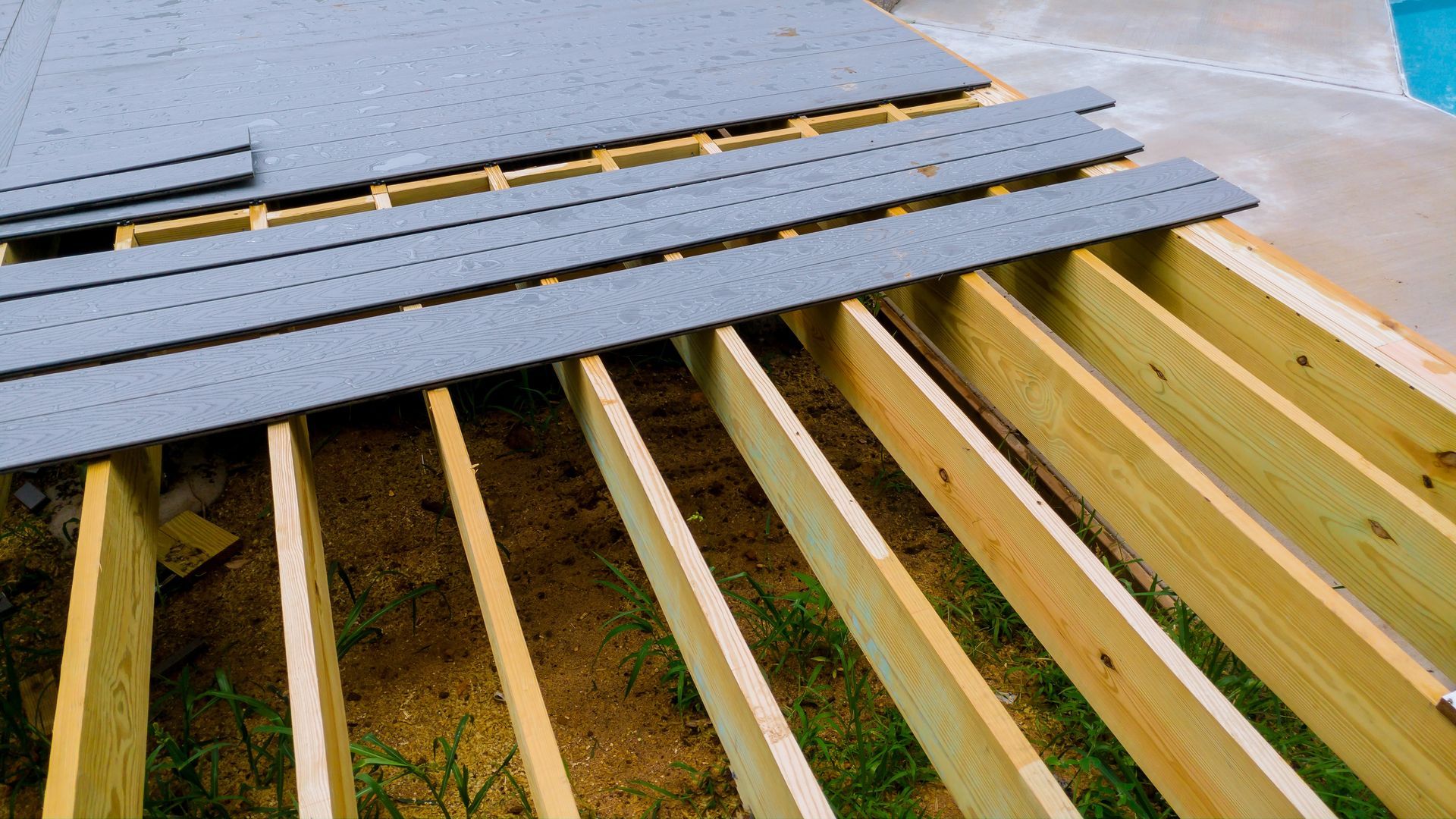
A deck is only as durable as the frame underneath it. Pressure-treated framing, proper joist spacing, and good drainage are all critical in our climate.
Deck Lighting and Winter Safety
Recessed deck lights, post lights, and stair lights make a deck safer to use during long winter nights. They also help you spot ice before you step on it.
Choosing the Right Railings and Accessories
Metal and composite railings resist weather better than wood. Modern deck accessories like pergolas, built-in benches, and planter boxes add usable space without adding maintenance.
How Proper Installation Impacts Deck Longevity
Even the best materials fail when installed poorly. The way a deck is built matters as much as what it's built from.
Importance of Ventilation and Water Drainage
Air needs to flow under the deck. Water needs somewhere to go. Without both, moisture sits and rots even the most durable materials.
Why Footings Matter in Freeze-Thaw Conditions
Footings need to be set below the frost line, which is typically about 48 inches deep in our region. Anything shallower will shift as the ground freezes and thaws, leaving you with a wobbly deck within a few years.
Common Installation Mistakes That Lead to Early Failure
Cutting corners on fasteners, skipping flashing where the deck meets the house, using untreated wood for ground contact, and improper joist spacing are some of the most common mistakes that shorten a deck's life. Our design-build process is built to avoid these issues from the start.
Maintaining Your Deck Through Northeast Seasons
No matter what material you choose, regular care extends its life and keeps it looking good.
Seasonal Deck Cleaning Tips
Sweep regularly to keep debris off the surface. Give the deck a thorough wash in spring and fall. Use cleaners made for your specific material.
Snow and Ice Removal Best Practices
Use a plastic shovel, not a metal one, to avoid scratching the surface. Skip rock salt on composite and PVC, which can stain or damage the boards. Calcium chloride is a safer alternative for melting ice.
Preventing Mold, Mildew, and Moisture Damage
Trim back overhanging branches, keep gutters clear, and make sure water drains away from the deck. Mold and mildew thrive in damp, shaded spots, so good airflow makes a big difference.
Signs Your Deck May Need Repairs
Watch for soft spots, loose boards, lifted fasteners, wobbly railings, and water stains under the deck. Catching these early keeps repairs small.
Choosing the Right Deck Material for Your Home and Lifestyle
The best material is the one that fits your home, your budget, and how you plan to use the space.
Balancing Budget, Maintenance, and Appearance
There's no perfect material for everyone. Cheaper materials cost more in upkeep. Higher-end materials cost more upfront but save you time and money long term. The right balance is personal.
Thinking About Long-Term Ownership Costs
Add up the upfront cost plus the cost of stain, sealant, and replacement boards over 20 years. The cheapest material isn't always the cheapest in the long run.
Matching Your Deck Material to Your Outdoor Living Goals
How often will you use the deck? Will you host parties, eat outside, set up a hot tub, or just relax in the sun? Different uses call for different materials and layouts. Browse our completed deck projects for examples of how different materials look in real homes.
Working With a Professional Deck Builder to Compare Options
A good deck builder will walk you through the trade-offs without pushing you toward the most expensive option. Look for someone who asks about your lifestyle, not just your budget. Our
deck building service starts with that kind of conversation.
Frequently Asked Questions
What is the best deck material for cold and snowy weather?
Capped composite and PVC handle Northeast weather better than any other materials. They don't absorb water, they resist freeze-thaw damage, and they keep their shape through harsh winters. Tropical hardwoods like Ipe also perform exceptionally well, though they cost more.
How long does each type of deck material last in the Northeast?
Pressure-treated wood typically lasts 10 to 15 years here. Cedar lasts 15 to 20 years with regular care. Composite decks last 25 to 30 years. PVC decks often last 30 years or more. Tropical hardwoods can last 40 to 50 years or longer when properly maintained.
Is composite or PVC decking better for the Northeast?
Both perform well. PVC is fully waterproof and slightly more durable in extreme weather, but it costs more and has a more synthetic look. Composite gives a more wood-like appearance, costs less, and still holds up well against snow, rain, and humidity. For most homeowners, composite offers the best balance of performance, looks, and price.
How much maintenance does a deck need in the Northeast?
It depends on the material. Pressure-treated wood and cedar need cleaning and sealing every one to three years. Composite needs a yearly wash. PVC needs almost nothing beyond cleaning. All decks benefit from regular inspections, especially after winter, to catch any small issues before they grow.
What is the most cost-effective deck material long term?
Composite decking usually delivers the best long-term value. The upfront cost is higher than pressure-treated wood, but the savings on stain, sealant, and replacement boards typically make up for it within ten to twelve years. After that, composite continues to save money for the rest of its lifespan.