How Much Does a New Roof Cost in NY?
If you are trying to budget for a roof replacement in New York, the biggest thing to know is this: there is no one-size-fits-all price.
In most cases, the cost of a new roof in NY typically ranges from $8,000 to $25,000+, depending on the size of the roof, materials used, and complexity of the project. On a per-square basis, most homeowners are paying somewhere between $400 to $900 per square (100 sq ft) for an asphalt shingle roof, with premium materials like metal or cedar pushing that number higher.
The cost of a new roof in the Hudson Valley depends on the size of the roof, the pitch, the roofing material, labor, tear-off requirements, decking condition, and a few local factors like permits and disposal.
For many homeowners, the most useful way to think about roof pricing is cost per square, not just one flat number. In roofing, a square equals 100 square feet of roof area. That gives you a much clearer way to compare estimates and understand what is actually included.
Typical Roof Cost Breakdown (NY)
| Roof Size (Sq Ft) | Material Type | Total Cost Range | Cost Per Sq Ft |
|---|---|---|---|
| 1,200 - 1,500 | Asphalt Shingles | $8,000 - $12,000 | $5.50 - $8.00 |
| 1,500 - 2,000 | Asphalt Shingles | $10,000 - $16,000 | $6.00 - $8.50 |
| 2,000 - 2,500 | Asphalt Shingles | $12,000 - $20,000 | $6.00 - $9.00 |
| 2,500 - 3,000 | Asphalt Shingles | $15,000 - $25,000 | $6.50 - $9.50 |
| 2,000 - 3,000 | Metal Roofing | $20,000 - $40,000 | $10.00 - $15.00 |
| 2,000 - 3,000 | Cedar Roofing | $25,000 - $50,000 | $12.00 - $18.00 |
Note: These are general ranges for New York and can vary based on roof complexity, labor, and additional work required.
Why We’re Qualified to Talk About Roof Costs
At ADR Precision Builders, roofing is one of our top priority services, and we work with homeowners across the Hudson Valley, including Dutchess County, East Fishkill, Hopewell Junction, Fishkill, Wappingers Falls, Poughkeepsie, and surrounding areas. We are a locally owned exterior remodeling company, and one of the things that sets us apart is being honest and not salesy when helping homeowners understand their options. Our team also offers instant roof quote tools and handles full exterior projects, so we see firsthand what drives real roof replacement costs in this market
The Straight Answer: What Does a New Roof Cost in NY?
The average cost of a new roof in NY can vary widely depending on the home and the roofing system being installed. In most cases, homeowners are not really paying for just shingles. They are paying for a complete roofing system, plus labor, removal, disposal, and any repairs or upgrades discovered during the project.
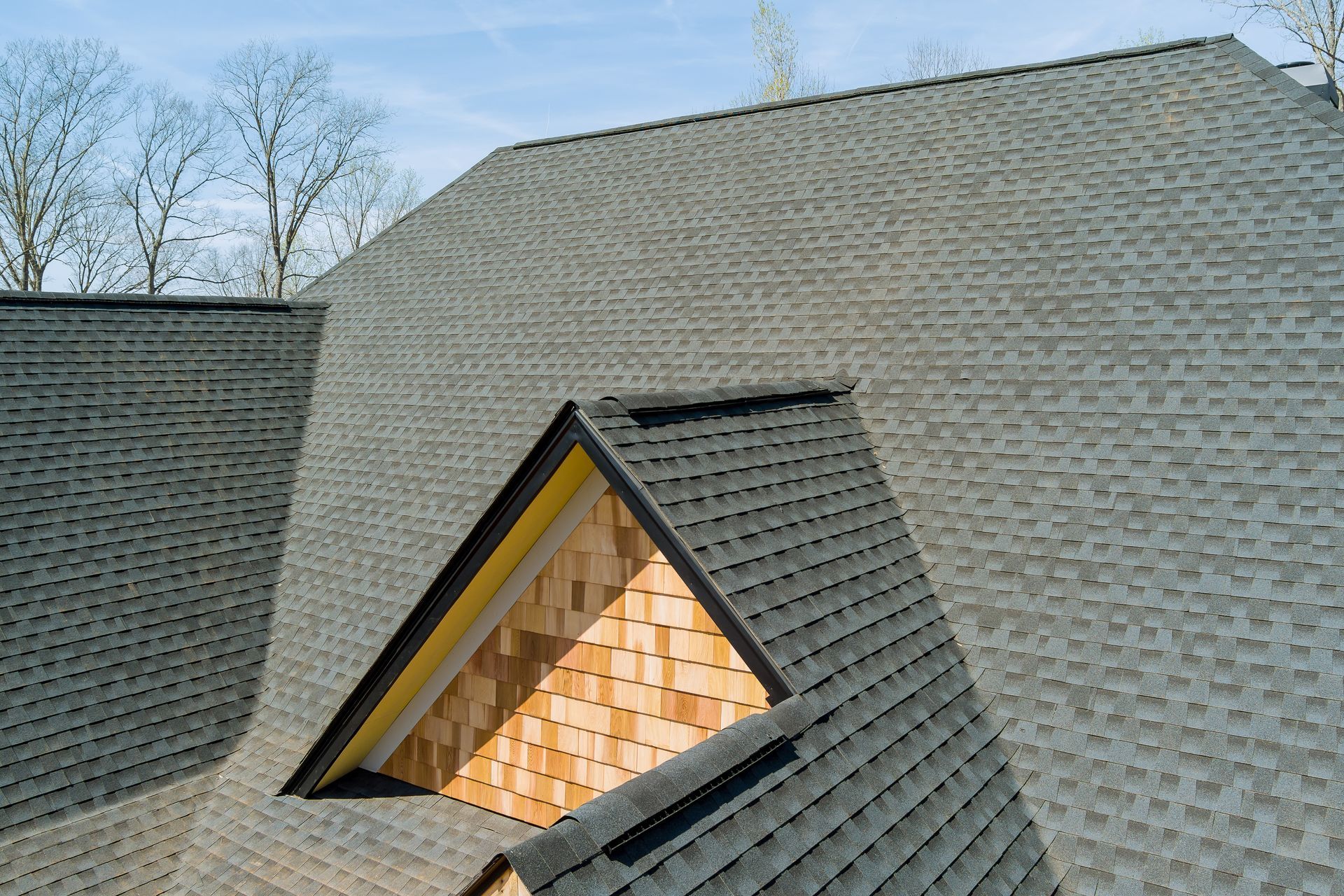
A basic asphalt shingle roof will usually cost less than a metal roof or cedar roof. A simple roof with easy access will usually cost less than a steep, cut-up roof with multiple valleys, dormers, skylights, or chimney flashing details.
That is why two homes with the same footprint can still get very different quotes.
What Actually Affects the Cost of a Roof Replacement in NY?
Roof Size
This is the most obvious factor. A larger roof requires more material, more labor, more underlayment, more cleanup, and more disposal. Roofers usually measure this by roofing squares, not by the square footage of your home’s interior.
A 2,000-square-foot house does not automatically have a 2,000-square-foot roof. Roof shape, overhangs, garage sections, and pitch all change the actual roofing area.
Roof Pitch and Complexity
Steeper roofs are harder and slower to work on. They often require additional safety equipment, staging, and labor time. Complexity also raises the cost. A roof with multiple ridges, valleys, dormers, skylights, and penetrations takes more time to install correctly than a simple straight gable roof.
This matters because labor is a major piece of any roof replacement price.
Roofing Material
Material choice has a big impact on the final cost.
Asphalt Shingles
Asphalt is the most common roofing material in New York because it offers a solid balance of affordability, appearance, and durability. It is usually the most budget-friendly option for a full roof replacement.
Metal Roofing
Metal roofs generally cost more up front, but they can offer longer service life and a distinct appearance. Installation is more specialized, which also affects labor pricing.
Cedar Roofing
Cedar roofs tend to be more expensive because the material itself costs more and the installation process is more involved. They also require a different level of maintenance and planning.
If you are comparing estimates, make sure you are comparing the same type and quality of material. A cheap quote may simply reflect a lower-tier product or fewer system components.
Tear-Off and Roof Removal
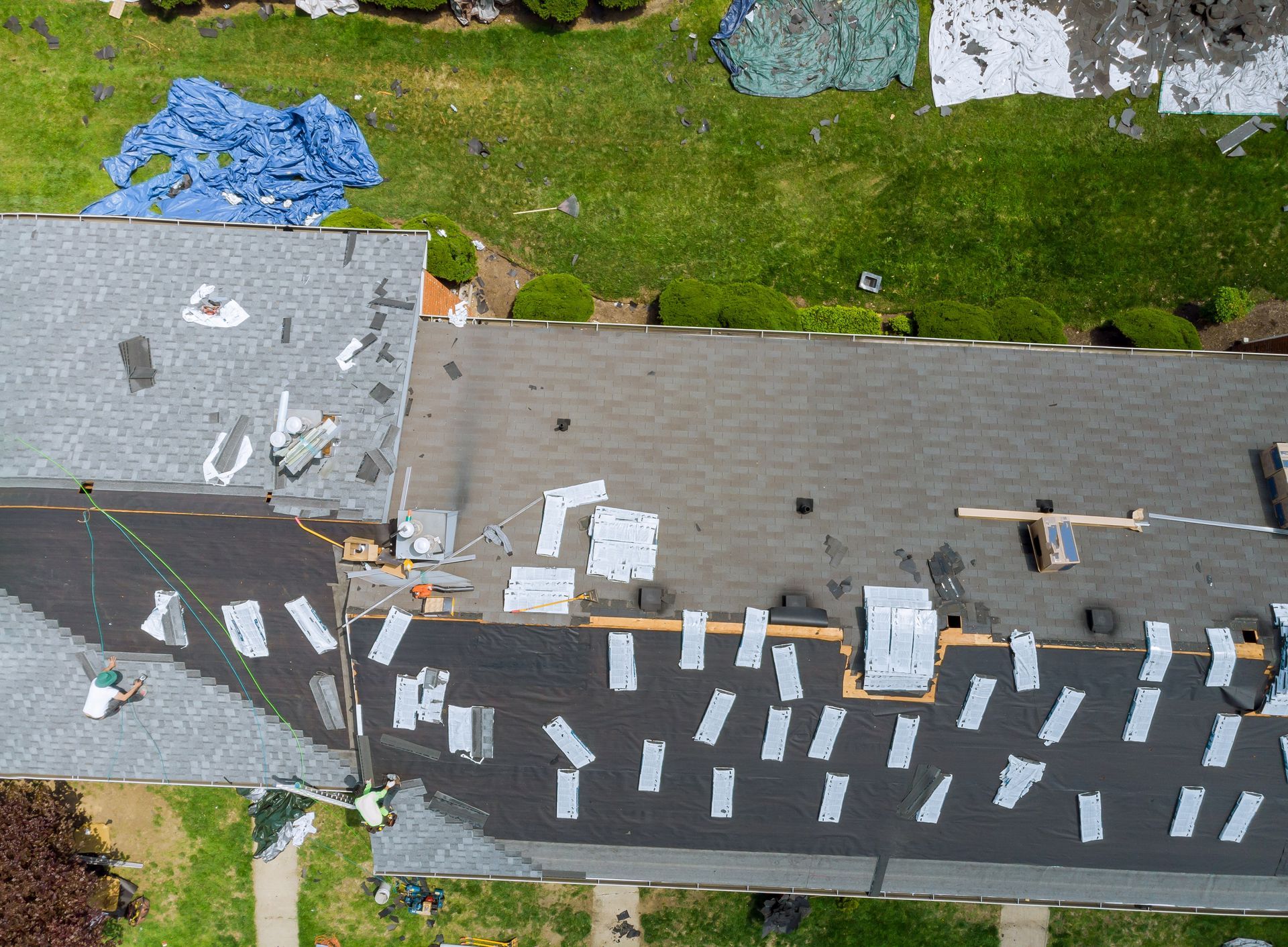
If your old roof needs to be completely removed, that adds labor and disposal cost. Roof removal can be more expensive when there are multiple existing layers, stubborn materials, or limited jobsite access.
Some homeowners focus only on the install price and forget that tear-off is a major part of the work. Disposal fees, dumpsters, and hauling all affect what you pay.
Decking Condition
Once the old roofing material is removed, the roof deck underneath becomes visible. If the decking is soft, rotted, water-damaged, or structurally compromised, those sections may need to be replaced before the new roof can go on.
This is one of the biggest variables in roof replacement pricing because it often cannot be fully confirmed until the old roof is off.
Underlayment, Flashing, and System Components
A roof is more than shingles. A proper roofing system can include:
- Ice and water shield
- Synthetic underlayment
- Drip edge
- Starter shingles
- Ridge cap shingles
- Pipe boot flashing
- Step flashing
- Chimney flashing
- Ridge ventilation components
These details matter. They also affect cost. One estimate may appear cheaper, but only because it excludes important system components or uses lower-quality materials.
Ventilation and Insulation Issues
Ventilation and insulation are often overlooked during budgeting, but they can play a major role in roof performance. If the attic is not ventilated properly, a new roof may not last as long as it should. Poor ventilation can trap heat and moisture, which can lead to premature shingle wear, mold issues, or decking damage.
In some cases, homeowners may need ridge vents, intake vents, or related upgrades as part of the project. That adds cost, but it can also protect the investment.
Labor Costs in Your Market
Labor is not the same in every region. The cost of a new roof in the Hudson Valley can differ from pricing in other parts of New York, and it will definitely differ from places like Connecticut, New Jersey, or Massachusetts depending on local labor markets, disposal fees, permitting, and contractor overhead.
That is why generic national estimates are not always useful. Local pricing matters more than broad averages.
Permits and Local Requirements
Depending on the town or municipality, permits may be required for a roof replacement. Permit costs vary, and so do inspection requirements. Homeowners in the Hudson Valley should expect that local rules may affect both timing and total project cost.
Upgrades and Add-Ons
The final cost can also increase if you choose upgrades such as:
- Premium shingle lines
- Enhanced manufacturer warranties
- Better ventilation systems
- Skylight replacement
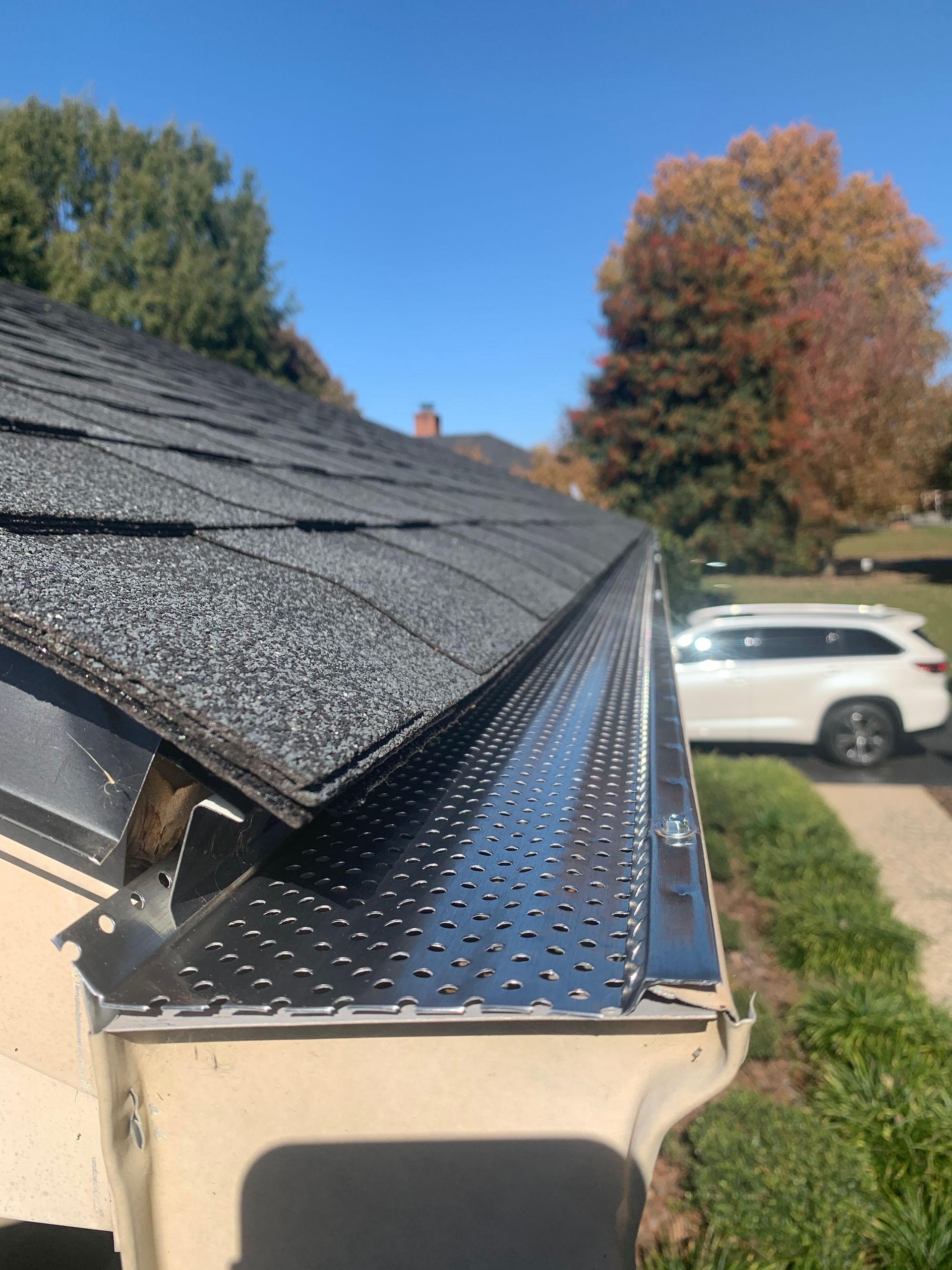
- Gutter replacement tied into the roofing job
- Fascia or trim repairs
- Roof deck repairs
- Ice dam protection upgrades
Some of these are optional. Some are worth doing
while the roof is already being replaced.
Why Roof Estimates Can Be So Different
If you have collected multiple quotes and they are all over the place, that does not always mean someone is overcharging. It may mean the contractors are pricing different scopes of work.
One quote may include full roof removal, upgraded underlayment, proper ventilation, flashing replacement, and a better shingle system. Another may be priced bare minimum.
When comparing estimates, ask:
- Are they removing all existing roofing layers?
- How much decking replacement is included, if any?
- What type of underlayment are they using?
- Are flashing details being replaced or reused?
- Is ventilation included?
- Are cleanup and disposal included?
- Is there a workmanship warranty?
- Is the estimate based on actual measurements?
Those details matter just as much as the bottom-line number.
Cost Per Square: A Better Way to Compare Quotes
Roofing contractors often price jobs using cost per square because it reflects actual roof work better than broad averages. This helps homeowners compare similar projects more accurately.
For example, if one contractor’s price per square is much lower than another’s, that can be a sign to look more closely at what is included. A low price is not always a better value if important components have been stripped out of the estimate.
If you want to understand how much a new roof costs in NY, asking for the cost per square and a clear scope breakdown is one of the smartest things you can do.
The Cheapest Roof Is Not Always the Least Expensive
A cheaper roof can end up costing more over time if the materials are poor, the ventilation is wrong, or the flashing details are not handled properly. Roof replacements are one of those projects where installation quality matters just as much as product choice.
This is especially true in the Hudson Valley, where roofs have to deal with snow, rain, wind, humidity, freeze-thaw cycles, and seasonal temperature swings.
What Homeowners in the Hudson Valley Should Do Before Replacing a Roof
Before moving forward, it helps to:
- Get a detailed estimate, not just a price
- Ask what is included in the roofing system
- Understand whether decking repairs are extra
- Compare material options carefully
- Ask about ventilation and flashing
- Make sure measurements are accurate
- Look at actual past project photos
- Work with a contractor who explains the job clearly
A good roofing estimate should make the project easier to understand, not more confusing.
Final Thoughts
The cost of a roof replacement in NY depends on a lot more than just shingles. Roof size, pitch, material choice, labor, tear-off, decking condition, ventilation, and local requirements all play a role. That is why the average cost of a new roof in NY can vary so much from one home to the next.
For homeowners in the Hudson Valley, the best approach is to focus on value, scope, and workmanship, not just the lowest number on the page. A well-built roofing system protects your home, helps prevent future repairs, and gives you a clearer return on what you spend.
Frequently Asked Questions
How much does a 2,000 sq ft shingle roof cost?
For a 2,000 sq ft asphalt shingle roof in New York, most homeowners can expect a price somewhere around $12,000 to $20,000, depending on the roof’s pitch, tear-off requirements, number of layers being removed, and whether any decking repairs or ventilation upgrades are needed. A simple roof with easy access will usually be on the lower end, while a steeper or more complex roof will cost more.
How much would shingles on a roof cost on 1,200 sq ft?
For a 1,200 sq ft roof, asphalt shingles typically cost around $8,000 to $12,000 for a full replacement in New York. That usually includes more than just the shingles themselves. It often covers tear-off, underlayment, flashing, labor, and cleanup as part of the complete roofing system.
What is the most expensive part of replacing a roof?
In most cases, the most expensive parts of a roof replacement are labor and materials. Material costs can rise quickly if you choose premium shingles, metal roofing, or cedar. Labor can also become a major cost if the roof is steep, cut-up, hard to access, or requires a full tear-off. If damaged decking needs to be replaced, that can also add a significant extra cost.
What is the labor cost to put on shingles?
Labor costs for installing asphalt shingles in New York often fall in the range of $150 to $350 per square, depending on the roof’s slope, complexity, accessibility, and whether old roofing needs to be removed first. Since one square equals 100 square feet, labor can make up a large part of the total project price, especially on more difficult roofs.
What is the cheapest time of year to get a new roof?
Late fall, winter, and very early spring can sometimes be more affordable times to schedule a roof replacement, mainly because demand may be lower than during peak roofing season. That said, pricing is not always lower just because of the calendar. Material costs, weather conditions, contractor availability, and how urgent the project is can matter just as much. For many homeowners, the best time to replace a roof is before leaks or structural issues get worse.