How Long Does It Take to Build a Deck? Timeline Breakdown
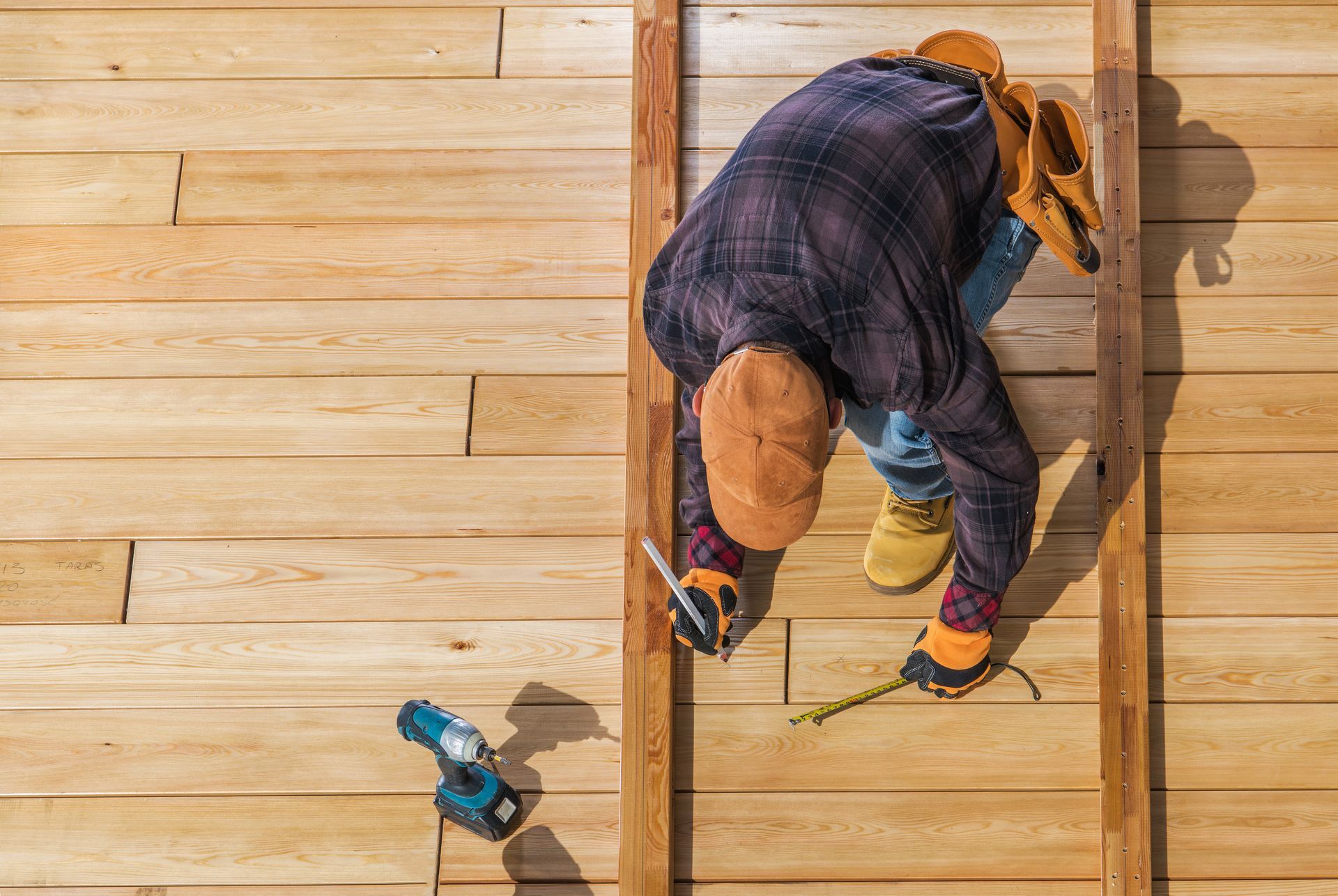
Most decks take anywhere from one to three weeks to build once construction starts. Smaller, straightforward projects can wrap up in as little as three to five days of active work. Larger, custom builds with multiple levels, built-ins, or pergolas can run four to six weeks or more. But the construction phase is only part of the picture. When you factor in planning, permits, and material delivery, the full timeline from first conversation to finished deck is typically four to twelve weeks.
At ADR Precision Builders, we've been building decks across the Hudson Valley for years, working through every type of project from simple ground-level platforms to multi-level custom designs. We know where timelines hold steady and where they tend to stretch, and this guide walks through exactly what to expect at each phase.
Quick Answer: How Long Does a Deck Build Take?
| Project Type | Active Build Time | Full Timeline (Permits + Build) |
|---|---|---|
| Small deck (under 200 sq ft) | 3 – 5 days | 4 – 6 weeks |
| Medium deck (200 – 500 sq ft) | 1 – 2 weeks | 6 – 8 weeks |
| Large deck (500+ sq ft) | 2 – 3 weeks | 8 – 12 weeks |
| Multi-level or custom build | 3 – 6 weeks | 10 – 16 weeks |
These ranges assume a professional crew, permits pulled in advance, and no major weather delays. DIY builds typically run two to three times longer.
Overview of a Typical Deck Building Timeline
Average Timeline From Start to Finish
Most homeowners are surprised to learn that the actual construction is often the shortest part of the process. The weeks leading up to breaking ground, spent designing, permitting, and ordering materials, usually take longer than the build itself.
A realistic full timeline for a mid-size deck in the Hudson Valley looks something like this: one to two weeks for design and planning, two to four weeks for permits, one week for material delivery, and one to two weeks for construction. That puts the average project at six to nine weeks from first conversation to finished deck.
What Impacts the Overall Timeline
Several factors push timelines shorter or longer. The biggest ones are permit processing time in your municipality, the complexity of the design, contractor availability during peak season, and weather. Material lead times can also be a factor depending on what you're building with and current supply conditions.
Step-by-Step Deck Building Timeline
Planning and Design Phase
Typical time: 1 – 2 weeks
This phase covers the initial consultation, site measurements, design decisions, and material selection. For straightforward decks, this can move quickly. For custom designs with specific features like built-in seating, pergolas, or multi-level layouts, expect more back-and-forth to get the plan right before anything gets submitted for permits.
Decisions made here directly affect everything downstream. Choosing a material that has a longer lead time, or a design that requires a structural engineer's sign-off, can add days or weeks before construction even begins.
Permits and Approvals
Typical time: 1 – 4 weeks (varies by municipality)
Most decks require a building permit, and in the Hudson Valley, processing times vary considerably depending on the town. Some municipalities turn permits around in a week. Others, particularly during busy spring and summer seasons, can take three to four weeks or longer.
Permit requirements typically include a site plan, structural drawings, and sometimes a survey. Getting your documentation together accurately the first time avoids back-and-forth with the building department that can add more time. Your contractor should handle the permit application and follow up on its status.
Site Preparation
Typical time: 1 – 2 days
Site prep involves clearing the area, marking footing locations, and removing any existing structure if you're replacing an old deck. Demolition of an old deck typically adds half a day to a full day depending on size. If there's significant grading or vegetation removal needed, that can extend this phase.
Foundation and Footings
Typical time: 1 – 3 days (plus concrete cure time)
Footings are the concrete piers that anchor the deck to the ground. Holes are dug to below the frost line, concrete is poured, and hardware is set. In the Hudson Valley, footings need to go deep enough to handle our freeze-thaw cycles, typically 42 to 48 inches below grade.
Concrete needs time to cure before framing begins, usually 24 to 48 hours at minimum. In cold weather, cure time can extend further. Many municipalities also require a footing inspection before framing starts, which adds scheduling time.
Framing the Structure
Typical time: 1 – 3 days
Framing includes setting the ledger board against the house, installing beams and posts, and laying out all the joists. This is the structural skeleton of the deck. A simple single-level frame can go up in a day. A larger or more complex layout with multiple sections, angles, or elevation changes takes longer.
Quality framing matters as much as quality decking. Proper joist spacing, blocking, and hardware are what keep the deck solid for decades.
Decking Installation
Typical time: 1 – 3 days
This is where the deck starts to look like a deck. Boards are cut and fastened across the frame, either with face screws or hidden fasteners depending on the system. Composite boards typically require more precision in spacing and fastening than wood, which adds a bit of time. A 300 square foot deck with composite decking and hidden fasteners might take a full day and a half versus a day for pressure-treated wood.
Railings, Stairs, and Finishing Touches
Typical time: 1 – 2 days
Railings and stairs are often the most time-consuming finishing phase, especially on elevated decks or multi-level designs. Custom railing profiles, cable systems, or glass panels take longer than standard balusters. Stairs with landings or multiple flights add time as well.
Trim work, fascia boards, post wraps, and any other detail work get done here too. This is the phase that takes a deck from "structurally complete" to "finished."
Final Inspection and Cleanup
Typical time: 1 – 3 days (including inspection scheduling)
Most municipalities require a final inspection before the deck can be used. Scheduling that inspection can take a day or two depending on the building department's availability. Once the inspector signs off, the crew does a final cleanup of the site, removes debris, and walks you through the finished project.
How Deck Size and Complexity Affect Build Time
Small vs Medium vs Large Decks
Size is the most straightforward factor in build time. A small ground-level deck of 150 to 200 square feet with a basic railing can realistically be framed, decked, and finished in three to four days of active construction. A 400 square foot deck with stairs and standard railings runs a week to ten days. A 600 square foot deck with multiple access points, custom railing, and a pergola overhead is a two to three week build.
Multi-Level and Custom Designs
Multi-level decks require more structural planning, more framing time, and more complex stair configurations. Each level essentially functions as its own framing project, so build time stacks accordingly. Custom shapes, angles, and inlay patterns in the decking boards also add time compared to a standard rectangular layout.
Add-Ons That Extend Timelines
Certain features consistently push timelines out further:
- Pergolas and overhead structures add two to four days depending on complexity
- Built-in seating or planters add one to two days
- Outdoor lighting (wired, not plug-in) requires an electrician and can add several days around their scheduling
- Under-deck drainage systems add a day or two of installation time
- Cable or glass railings take longer to install than standard aluminum or wood systems
Material Choice and Its Impact on Timeline
Composite Decking Installation Time
Composite boards require consistent spacing and typically use hidden fastener systems that take more time to install per board than face-screwed wood. That said, composite arrives pre-finished with no need for staining or sealing, so there's no finishing time on the back end. Overall, composite installation runs slightly longer per square foot but eliminates post-installation work.
Composite is also generally available from local distributors, so lead times are predictable. You can learn more about the composite options we install on our composite decks service page.
Wood Decking Installation Time
Pressure-treated lumber and cedar go down quickly with face screws. The boards are easier to cut and adjust on the fly, which speeds up installation. The trade-off is that wood needs to acclimate on-site for a day or two before installation, and some wood decks require an immediate coat of sealer after construction. Overall active build time with wood is slightly faster than composite, though the post-build steps add a little time back.
Special Materials and Custom Features
Exotic hardwoods like Ipe require pre-drilling every fastener to avoid splitting, which slows installation considerably. Unique inlay patterns, picture-frame borders, or diagonal board layouts all add time compared to a standard parallel run. Budget an extra day or two for any decorative board work.
External Factors That Can Delay a Deck Project
Weather Conditions
Rain, extreme cold, and frozen ground are the most common weather-related delays in the Hudson Valley. Concrete can't be poured in freezing temperatures without special precautions. Composite and wood boards shouldn't be installed in heavy rain. Most contractors build some weather flexibility into their schedules during spring and fall, but a stretch of bad weather can push a project back by several days.
Contractor Scheduling and Availability
Spring and early summer are peak season for deck building in the Hudson Valley. Contractors book up quickly, and wait times to get on a schedule can run four to eight weeks at the busiest times of year. Starting your planning in late winter gives you a better shot at your preferred build window.
Permit Delays and Inspections
Permit delays are one of the most common sources of frustration on deck projects. A municipality that's short-staffed or backed up with applications can slow the start of your project by weeks. Required inspections at the footing stage and final stage also add scheduling dependencies that are outside your contractor's control.
Material Availability and Delivery
Standard materials like pressure-treated lumber and most composite product lines are generally available locally with short lead times. Special order colors, premium composite lines, and exotic hardwoods can take two to four weeks to arrive. If you're set on a specific product, ordering it early in the planning process avoids delays at the start of construction.
DIY vs Professional Deck Build Timeline
How Long It Takes to Build a Deck Yourself
A motivated DIYer with some carpentry experience can build a simple 200 square foot deck, but it typically takes two to three times longer than a professional crew. Weekends-only work on a mid-size deck can stretch a project over six to ten weeks of elapsed time. Mistakes that require re-work, tool rentals, and the learning curve on unfamiliar tasks all contribute to the longer timeline.
Timeline With a Professional Contractor
A professional crew brings the right tools, works full days, and has done the same tasks dozens or hundreds of times. What takes a DIYer a full weekend might take a crew four hours. The active build time is dramatically shorter, and quality and code compliance are more reliable.
Pros and Cons of Each Approach
| Factor | DIY | Professional |
|---|---|---|
| Upfront cost | Lower | Higher |
| Active build time | Much longer | Lower |
| Code compliance risk | Higher | Reliable |
| Permit and inspection experience | Limited | Established |
| Physical demand | High | On the contractor |
For most homeowners, the time savings and reduced risk of a professional build outweigh the higher upfront cost, especially for larger or elevated decks where structural errors carry real consequences.
How to Speed Up Your Deck Build
Planning Ahead and Finalizing Design Early
The single most effective way to keep your project on schedule is to finalize your design before permits are submitted. Changes after permit submission can mean resubmitting drawings and restarting the review clock. Get your layout, material choices, and features locked in before anything goes to the building department.
Choosing Readily Available Materials
If your timeline is a priority, stick with materials that your contractor's suppliers carry in stock. Standard composite lines in popular colors and pressure-treated lumber are almost always available quickly. Specialty products require lead time that can push your start date back.
Hiring an Experienced Contractor
An experienced contractor has established relationships with permit offices, knows the local inspection process, and has a crew that works efficiently. That experience consistently translates to fewer delays and a smoother overall timeline. You can see examples of our completed projects across the Hudson Valley in our project gallery.
What to Expect During Construction
Daily Progress and Milestones
A professional crew typically works full days and makes visible progress each day. After day one, footings are in. After the framing phase, the structure is fully up. Once decking starts, the surface fills in quickly. Most homeowners are pleasantly surprised at how fast things move once construction begins, especially compared to the weeks spent in permitting.
Noise, Disruptions, and Site Conditions
Deck construction involves saws, nail guns, and general construction noise. Most crews work during standard business hours. The area around the build site will have lumber, tools, and materials staged nearby during the project. If you have pets or young children, plan for them to be away from the work zone during active construction days.
Communication With Your Contractor
The best way to avoid surprises during construction is consistent communication before it starts. Confirm the schedule, understand the inspection dependencies, and ask how your contractor prefers to handle questions or scope changes mid-project. A good contractor will keep you updated on progress and flag any issues, like discovering rot in the ledger board or hitting rock during footing excavation, before making decisions that affect cost or timeline. You can learn more about our approach on our design-build process page.
Final Thoughts: Setting Realistic Expectations for Your Deck Project
The construction phase of a deck build is often the quickest part. Most delays come earlier, in permitting, scheduling, or material lead times, and that's true even on well-run projects. Understanding the full timeline from the start helps you plan around it rather than being caught off guard.
The best thing you can do is start planning early, lock in your design before permits are submitted, and choose a contractor with a track record in your area. Rushing the planning phase to get to construction faster usually backfires. The projects that go smoothest are the ones where the decisions were made before the first hole was dug.
If you're ready to start thinking through your deck project, our deck building services page covers what we build and how we work, and our team is happy to give you a realistic timeline based on your specific site and goals.
Frequently Asked Questions
Do I need a permit to build a deck in New York?
In most cases, yes. New York State requires a building permit for most decks, particularly those that are attached to the house, elevated off the ground, or over a certain square footage. The exact thresholds vary by municipality. Your contractor should handle pulling the permit, but you'll need to be aware that permit processing time is built into the project timeline before construction can start.
What time of year is best to build a deck in the Hudson Valley?
Late spring through early fall is the most popular window, but it's also when contractors are busiest. If you want a summer deck, start planning in late winter so you're on a contractor's schedule before the spring rush. Fall is also a good time to build since demand eases and weather is still workable. Winter builds are possible but depend on temperatures staying above freezing for concrete work.
Can bad weather stop my deck project mid-build?
Yes, temporarily. Rain, freezing temperatures, and high winds can pause certain phases of construction. Concrete can't be poured in freezing conditions without special additives. Board installation shouldn't happen in heavy rain. A good contractor builds some weather flexibility into the schedule and will communicate delays as they come up. A few weather days rarely derail a project significantly.
How far in advance should I contact a contractor?
For a spring or early summer build, reaching out in January or February gives you the best shot at your preferred timeline. For a fall build, contact contractors in late spring or early summer. The Hudson Valley deck building season books up quickly, and the best contractors often have waitlists.
What's the most common reason deck projects run over schedule?
Permit delays are the most common culprit, followed by scope changes mid-project and weather. Permit processing times vary widely by town and can be unpredictable during busy seasons. The best way to minimize this is to submit complete, accurate permit applications the first time and avoid making design changes after submission.