What Is Included in a Roof Replacement? A Step-by-Step Breakdown
If you’re planning a roof replacement, here’s the straightforward answer:
A complete roof replacement should include tear-off, deck inspection, repairs if needed, underlayment, flashing, drip edge, shingles, ventilation components, and full cleanup. It should also clearly outline the scope of work, material specifications, and warranty in your estimate.
If any of those pieces are missing, you’re not comparing apples to apples.
This guide breaks down exactly what goes into replacing a roof so you can understand what you’re paying for and avoid incomplete or misleading estimates.
Why We’re Qualified to Explain This
At
ADR Precision Builders, roofing is one of our core services, and we work with homeowners throughout the Hudson Valley on full roof replacements. As a locally owned company, we handle everything from tear-offs to full system installs, and we focus on being straightforward and transparent about what’s included in every job. We also use high-quality GAF roofing systems, so we’re familiar with what a properly built roof should include from start to finish
What Should Be Included in a Roof Replacement Estimate?
Before getting into the step-by-step process, it’s important to understand what a proper estimate should outline.
A complete roof replacement estimate should include:
- Scope of work (what is being done)
- Material specifications (what products are being used)
- Tear-off details (how many layers are being removed)
- Decking allowance or repair terms
- Ventilation components
- Flashing replacement details
- Cleanup and disposal
- Timeline for completion
- Warranty information
If your estimate is vague or missing details, that’s usually a red flag.
Step-by-Step: What Goes Into Replacing a Roof
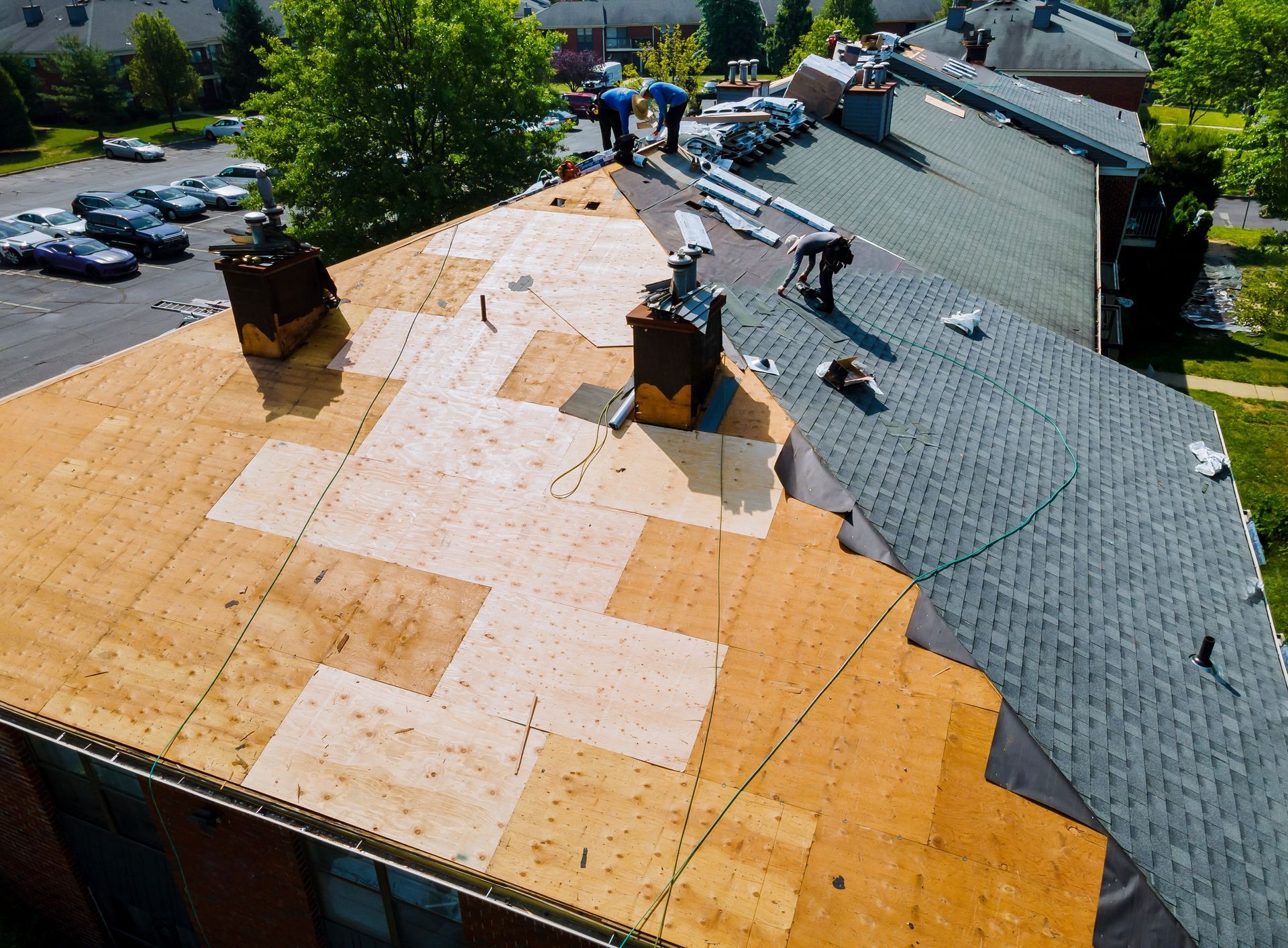
1. Tear-Off (Removing the Old Roof)
The first step in most roof replacements is removing the existing roofing materials down to the deck.
This includes:
- Removing old shingles
- Pulling out old nails
- Stripping underlayment
- Hauling away debris
A full tear-off is important because it allows the contractor to inspect what’s underneath. Installing new shingles over old layers (roof overlay) is cheaper upfront but often leads to problems down the line.
2. Deck Inspection
Once the old roof is removed, the roof deck is exposed.
This is where contractors check for:
- Rot or water damage
- Soft spots
- Warped or deteriorated wood
- Structural issues
If the decking is compromised, it needs to be replaced before moving forward. This is a critical step that ensures the new roof has a solid foundation.
3. Decking Repairs (If Needed)
Not every roof needs decking replaced, but many do require some level of repair.
Common fixes include:
- Replacing damaged plywood or boards
- Securing loose sections
- Reinforcing weak areas
This part is often listed as an allowance in your estimate because it can’t always be fully determined until tear-off is complete.
4. Underlayment Installation
Underlayment is the protective layer installed between the decking and shingles.
It acts as a secondary barrier against moisture and helps protect your home if shingles are damaged or blown off.
A proper roof replacement will include:
- Ice and water protection in vulnerable areas
- Synthetic underlayment across the roof surface
Skipping or downgrading this layer is one of the easiest ways to cut costs, but it’s not something you want to compromise on.
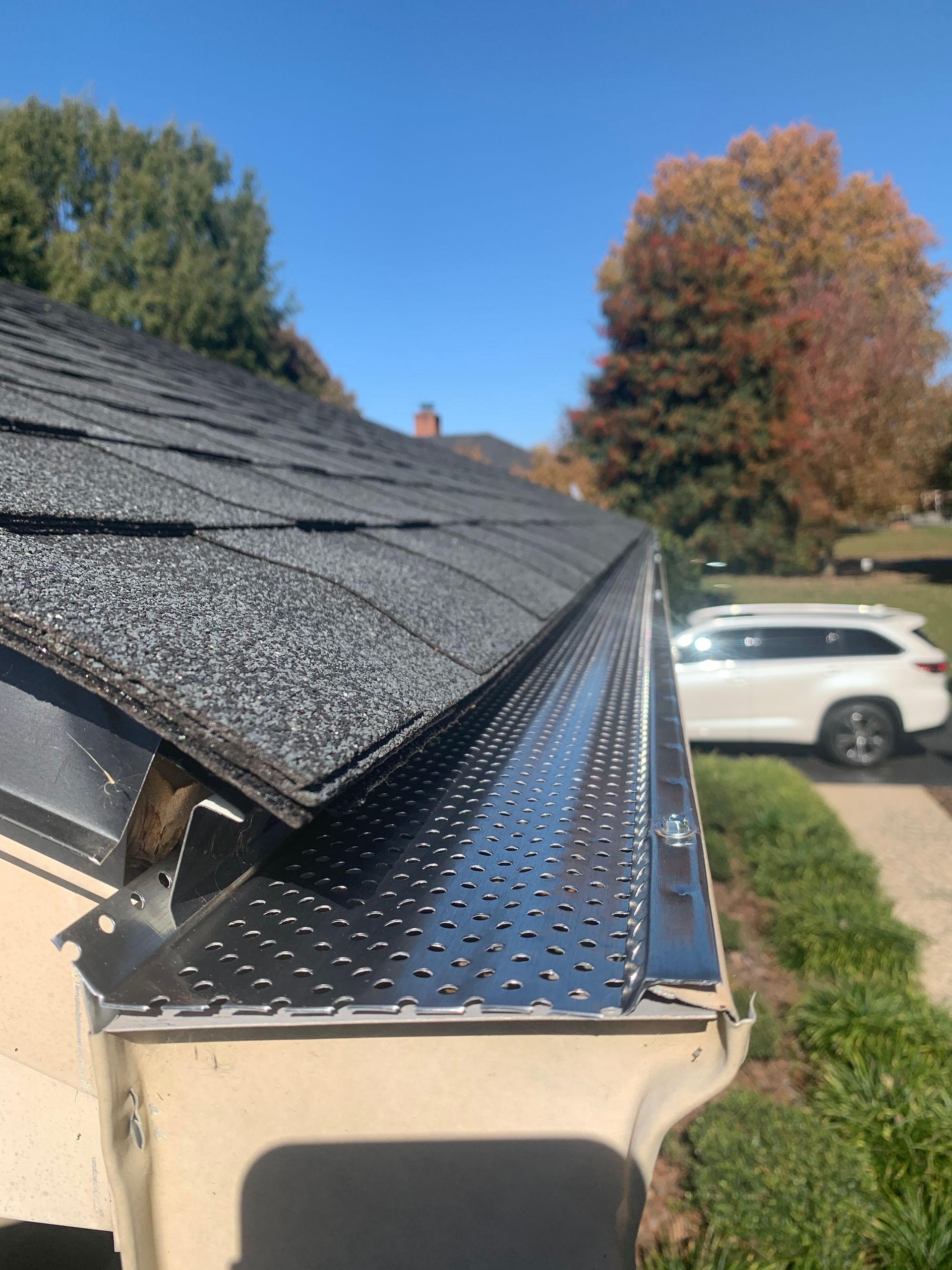
5. Drip Edge Installation
Drip edge is installed along the edges of the roof to direct water away from the fascia and into the gutters.
It also helps:
- Prevent water infiltration
- Protect the roof edge from rot
- Improve overall drainage
This is a small component, but it plays an important role in long-term roof performance.
6. Flashing Replacement
Flashing is used anywhere the roof meets another surface or has a penetration.
This includes:
- Chimneys
- Skylights
- Roof valleys
- Pipe vents
- Wall intersections
Proper flashing installation is one of the most important parts of a roof replacement. Reusing old flashing is a common shortcut that can lead to leaks.
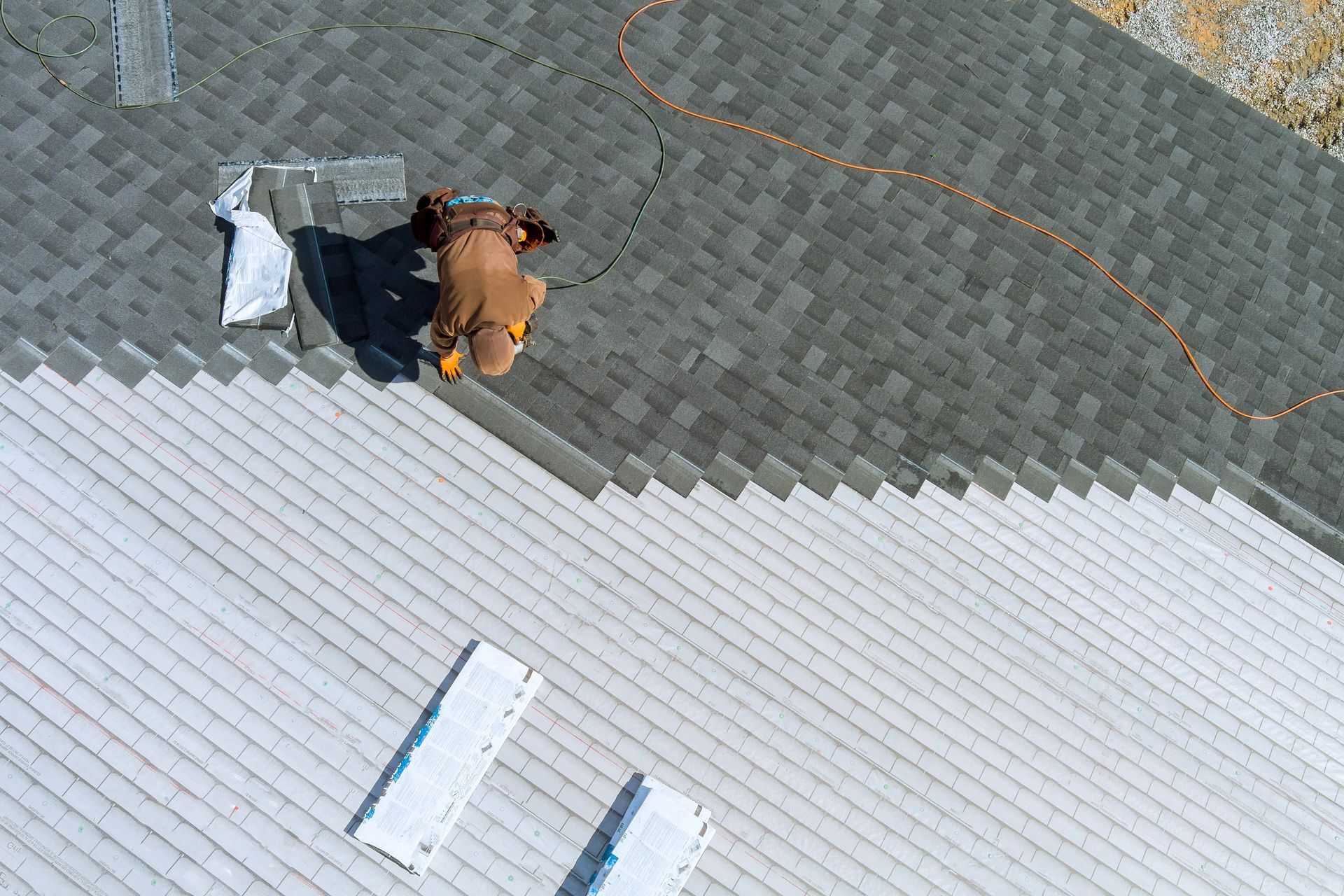
7. Shingle Installation
This is the most visible part of the roof, but it’s only one piece of the system.
Shingle installation includes:
- Starter shingles along edges
- Field shingles across the roof
- Ridge cap shingles at peaks
Shingles are installed in a specific pattern and nailed according to manufacturer guidelines. Nail placement and quantity matter more than most homeowners realize.
8. Ventilation Components
Proper ventilation helps regulate attic temperature and moisture levels.
A complete roof replacement may include:
- Ridge vents
- Soffit vents
- Intake/exhaust balancing
Without proper ventilation, even a brand-new roof can fail early.
9. Cleanup and Disposal
A professional roof replacement should include full cleanup.
This means:
- Removing all debris from the property
- Sweeping for nails with magnets
- Hauling away materials and dumpsters
Cleanup is not just about appearance. It’s also about safety and protecting your property.
10. Final Inspection
Before the job is complete, a final inspection should be done to ensure everything was installed correctly.
This includes checking:
- Shingle alignment
- Flashing details
- Ventilation components
- Overall workmanship
This step ensures the roof meets both contractor standards and manufacturer requirements.
Roof Replacement Materials List (What You’re Actually Paying For)
When you look at a roof replacement estimate, you’re paying for a full system, not just shingles.
Typical materials include:
- Shingles
- Underlayment
- Ice and water barrier
- Drip edge
- Flashing
- Ventilation components
- Nails and fasteners
- Ridge cap materials
Each of these plays a role in protecting your home.
Why Two Roof Replacement Estimates Can Look So Different
If you’ve gotten multiple quotes, you may have noticed major price differences.
That’s usually because:
- One contractor includes full tear-off, another doesn’t
- One includes flashing replacement, another reuses old materials
- One includes ventilation upgrades, another skips them
- Material quality varies
- Scope of work is different
This is why understanding what is included in a roof replacement is so important. A lower price often means something has been left out.
What Homeowners Should Look For Before Signing a Contract
Before moving forward, make sure your estimate clearly answers:
- What exactly is being removed and replaced?
- What materials are being used?
- Is decking repair included or extra?
- Are flashing and ventilation being replaced?
- Is cleanup included?
- What warranty is provided?
If you don’t see these details, ask for clarification.
Final Thoughts
A roof replacement is not just installing new shingles. It’s a full system rebuild that includes tear-off, inspection, repairs, protective layers, and proper installation of every component.
Understanding what goes into replacing a roof helps you make a smarter decision, compare estimates more accurately, and avoid problems down the road.
The more detailed and transparent the scope of work is, the better your outcome will be.
Frequently Asked Questions
What is the black stuff roofers put before adding a roof?
The “black stuff” is usually ice and water shield, a self-adhering waterproof membrane installed directly on the roof deck. It’s most commonly applied along roof edges, valleys, and around penetrations to prevent water from getting underneath the shingles. It acts as a critical secondary barrier against leaks, especially in areas prone to ice dams or heavy rain.
What are the 5 functional requirements of a roof?
A properly installed roof should meet these five core functions:
- Water protection – Keeps rain and moisture out of the home
- Weather resistance – Withstands wind, snow, UV exposure, and temperature changes
- Drainage – Directs water safely off the roof and into gutters
- Ventilation – Allows airflow to regulate attic temperature and moisture
- Durability – Maintains performance over time without premature failure
If any of these functions are compromised, the roof system will not perform as it should.
What materials are typically involved with roof venting?
Roof ventilation systems are made up of several components that work together to allow proper airflow:
- Ridge vents – Installed at the peak of the roof to let hot air escape
- Soffit vents – Located under the eaves to allow fresh air intake
- Baffle vents (rafter vents) – Help guide airflow from soffits up through the attic
- Roof vents or box vents – Static vents used when ridge vents aren’t installed
- Vent boots and flashing – Seal around vent pipes to prevent leaks
Proper ventilation is a key part of a roof replacement and helps extend the life of the entire roofing system.