Composite Decking vs Wood Decking: Which Is Right for Your Home?
If you're planning a new deck, one of the biggest decisions you'll face is choosing between composite decking and wood decking. Both are popular choices, but they come with very different costs, maintenance needs, and lifespans. The short answer: composite decking costs more upfront but saves time and money over the years, while wood decking is more affordable to install but needs regular care to stay in good shape.
At ADR Precision Builders, we've spent years helping Hudson Valley homeowners build and update their outdoor spaces. Our team works hands-on with both decking materials across all types of homes, climates, and budgets. That experience gives us a clear, real-world view of how each option performs over time.
Quick Comparison: Composite vs Wood Decking at a Glance
| Feature | Composite Decking | Wood Decking |
|---|---|---|
| Upfront Cost | Higher ($30–$60/sq ft installed) | Lower ($15–$35/sq ft installed) |
| Maintenance | Low (annual cleaning) | High (staining/sealing every 1–3 years) |
| Lifespan | 25–30+ years | 10–15 years (with upkeep) |
| Appearance | Consistent, engineered look | Natural, authentic wood grain |
| Rot/Insect Resistance | Excellent | Moderate to low |
| Splinter Risk | None | Yes, especially as it ages |
| Eco-Friendly Options | Yes (recycled content) | Yes (sustainably sourced wood) |
Bottom line for skimmers: If you want a low-maintenance deck that lasts a long time, composite is the better long-term investment. If your budget is tight upfront and you don't mind doing some regular maintenance, wood is a solid choice.
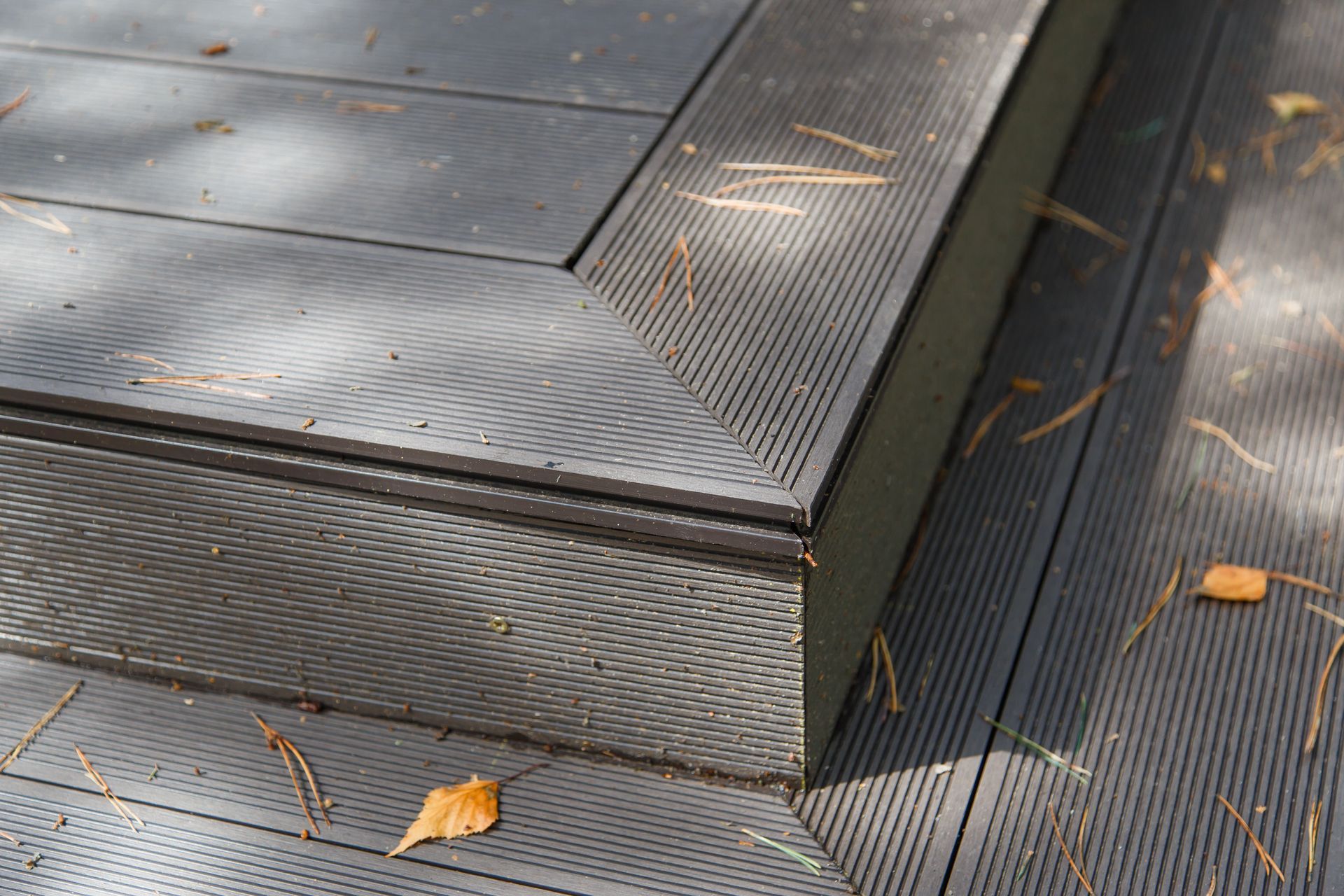
What Is Composite Decking?
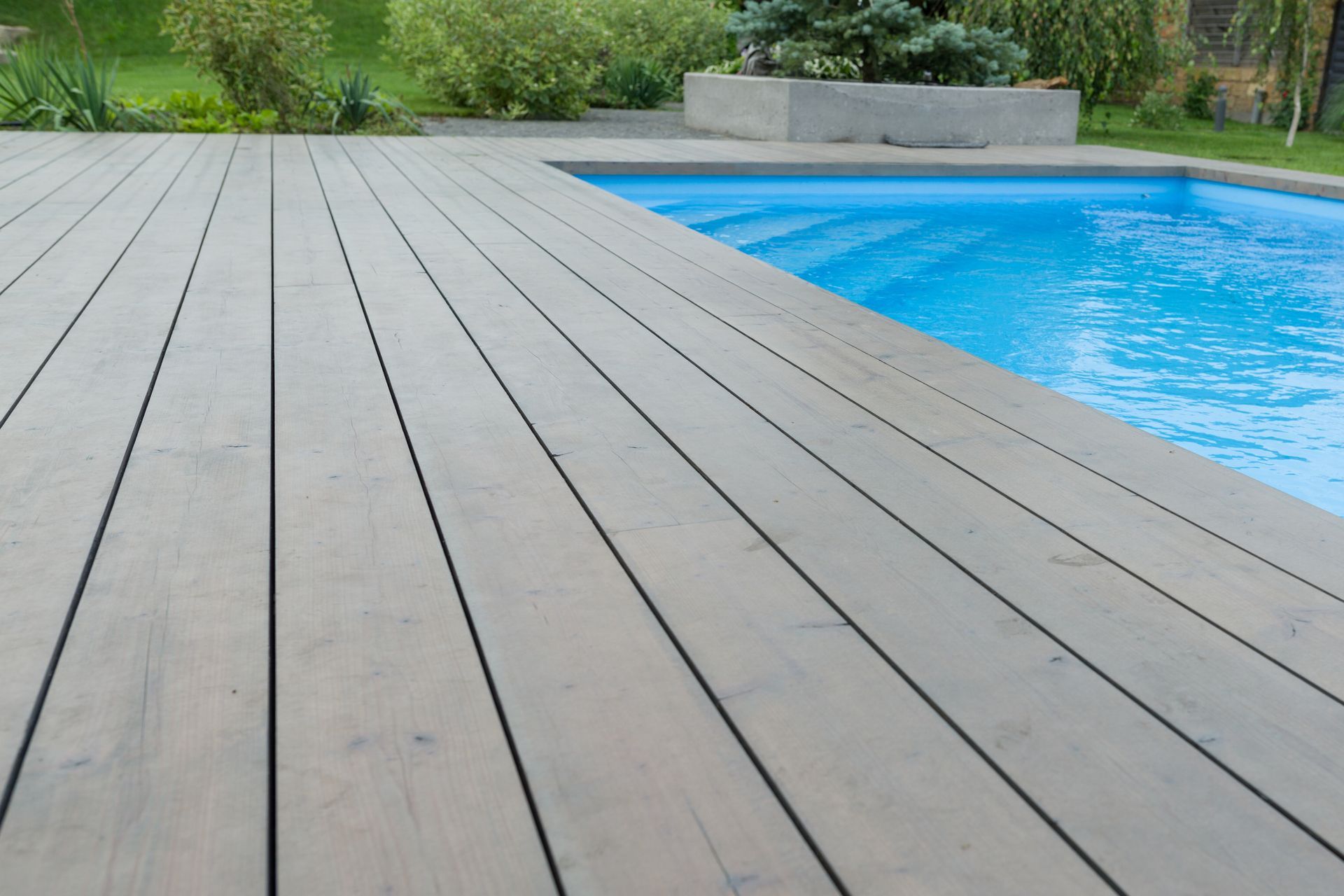
Composite decking is a man-made building material designed to look and feel like wood without most of the drawbacks. It's widely used for residential decks, boardwalks, and outdoor patios.
How Composite Decking Is Made
Composite decking is made by combining wood fibers (or wood flour) with plastic polymers, usually polyethylene or polypropylene. These two materials are mixed together, heated, and pressed into boards. The result is a dense, sturdy board that resists moisture, insects, and rot much better than natural wood.
Most composite boards are also made with a significant amount of recycled content, including recycled plastic bags, sawdust, and reclaimed wood waste.
Common Types of Composite Decking: Capped vs Uncapped
There are two main types of composite decking:
Capped composite boards have a protective shell around the outside of the board. This cap shields the core from moisture, staining, and scratching. Capped composite is the more popular and durable option and tends to carry longer warranties, often 25 years or more.
Uncapped composite is an older style that doesn't have the protective shell. It's more prone to moisture absorption and staining over time. If you're buying composite, capped is the better choice for most homeowners.
Where Composite Decking Performs Best
Composite decking shines in climates with high humidity, heavy rainfall, or wide temperature swings, all of which are common in the Hudson Valley. It's also a great fit for homeowners who want a "set it and forget it" deck that doesn't require annual maintenance. You can see the range of capped composite options we work with on our composite decks service page.
What Is Wood Decking?
Wood decking is the traditional choice for outdoor living spaces. It's been used in home construction for generations and remains a popular option thanks to its natural beauty and lower upfront cost.
Types of Wood Used for Decking
There are several types of wood commonly used for decking:
Pressure-treated lumber is the most common and affordable wood option. It's regular pine or fir that has been treated with chemical preservatives to resist rot and insects. It's widely available and budget-friendly, but it does require regular sealing and staining.
Cedar is a naturally rot-resistant wood with a beautiful reddish tone. It's more expensive than pressure-treated lumber, but it holds up better without as much chemical treatment. It still needs periodic sealing to maintain its appearance.
Redwood is similar to cedar in its natural resistance and appearance. It's typically found on the West Coast and can be pricey depending on your region.
Tropical hardwoods like Ipe and tigerwood are extremely dense and durable, with lifespans that can match composite. However, they come with a high price tag and require special tools to install.
Natural Characteristics and Appearance
Wood decking has a warmth and authenticity that's hard to replicate. The natural grain patterns, color variation, and texture give each wood deck a unique look. Many homeowners specifically choose wood because they love the organic, classic aesthetic.
That said, wood changes over time. Without regular sealing, it will gray out, warp, or crack. That natural aging can look beautiful, but it requires maintenance to stay structurally sound.
Where Wood Decking Performs Best
Wood is a good fit for homeowners who enjoy the look of natural materials and are willing to put in the time for upkeep. It's also the better choice when your budget is limited upfront and you plan to handle maintenance yourself.
Pros and Cons of Composite Decking
Advantages of Composite Decking
- Low maintenance. No staining, sealing, or painting needed. An occasional wash with soap and water is typically all it takes to keep it looking good.
- Long lifespan. Quality capped composite boards can last 25 to 30 years or more, and many manufacturers back their products with warranties in that range.
- Resistant to rot, insects, and splintering. Composite won't attract termites or carpenter ants, and it won't splinter underfoot, which is especially helpful if you have young children.
- Consistent appearance. Boards are manufactured to look uniform, so you won't deal with knots, inconsistent grain, or warping the way you might with natural wood.
Drawbacks of Composite Decking
- Higher upfront cost. Composite decking costs significantly more per square foot than most wood options at installation time. For a larger deck, that gap can add up quickly.
- Can get hot in direct sunlight. Composite boards absorb heat from the sun. On a very hot day, the surface can become uncomfortable to walk on barefoot. Lighter colors help reduce this effect, but it's something to keep in mind for sun-heavy spaces.
- Less natural look compared to real wood. While composite has improved dramatically in appearance over the years, it still doesn't fully replicate the look and feel of real wood grain. For homeowners who want a purely natural aesthetic, this can be a limitation.
Pros and Cons of Wood Decking
Advantages of Wood Decking
- Lower initial cost. Pressure-treated lumber is one of the most affordable decking materials available. For homeowners working within a tight budget, wood offers the lowest barrier to getting a deck built.
- Natural beauty and authenticity. Nothing looks quite like real wood. The texture, grain, and warmth of wood decking give outdoor spaces a classic appeal that composite hasn't fully matched.
- Easier to customize and repair. Wood boards can be cut, sanded, stained, and painted with common tools. Individual boards that are damaged can be pulled out and replaced without matching a manufacturer's specific product line.
Drawbacks of Wood Decking
- Ongoing maintenance. Wood decking needs to be cleaned, sealed, and stained regularly, typically every one to three years depending on the wood type and climate. Skipping maintenance leads to cracking, warping, and rot.
- Susceptible to rot, insects, and warping. Even pressure-treated lumber can start to deteriorate after several years, especially in a wet climate. Without proper upkeep, wood decks can become unsafe.
- Shorter lifespan without proper care. A well-maintained wood deck can last 15 years or more, but a neglected one may need replacing in 10 years or less.
Cost Comparison: Composite vs Wood Decking
Upfront Installation Costs
For a typical 300 to 400 square foot deck in the Hudson Valley, here's a rough breakdown of what you can expect to pay:
| Material | Cost Per Sq Ft (Installed) | Estimated Total (300–400 sq ft) |
|---|---|---|
| Pressure-treated wood | $15 – $25 | $5,000 – $10,000 |
| Cedar or redwood | $20 – $35 | $7,000 – $14,000 |
| Composite (capped) | $30 – $60 | $12,000 – $24,000 |
The gap at installation is significant. Composite decks can cost two to three times more upfront than pressure-treated wood.
Long-Term Maintenance Costs
Here's where the math starts to shift. A wood deck typically needs:
- Cleaning and sealing every one to three years: $300 to $800 per treatment if done professionally
- Staining every two to three years: $500 to $1,500 per treatment
- Board replacement over time: costs vary
Over 25 years, a wood deck can easily accumulate $5,000 to $15,000 in maintenance costs, not counting early replacement.
Composite decking, on the other hand, needs almost no maintenance beyond an annual cleaning. Over the same 25-year period, you might spend a few hundred dollars total.
Total Lifetime Value
When you factor in maintenance and replacement costs over 25 years, composite decking often ends up costing less than wood in total. The upfront investment is higher, but the long-term savings are real.
Maintenance Requirements: What to Expect Over Time
Maintaining a Composite Deck
Composite decking is about as low-maintenance as outdoor materials get. A few times a year, sweep off debris like leaves and dirt. Once or twice a year, wash the deck with mild soap and water, or a composite-safe deck cleaner. That's typically all it takes.
Some homeowners power-wash their composite decks in spring, which works fine as long as you use a low-pressure setting and keep the nozzle moving.
Maintaining a Wood Deck
Wood decks require a consistent routine to stay in good condition. Here's what a typical spring maintenance pass looks like:
- Inspect the structure. Check for loose boards, popped nails, soft spots, and early signs of rot, especially around posts and ledger boards.
- Sand rough areas. Address any splintered or raised grain before it becomes a safety issue.
- Clean the surface. Apply a deck cleaner and scrub thoroughly to remove dirt, mildew, and graying. Let it dry completely before moving on.
- Restain if needed. If the color has faded significantly, apply a fresh coat of stain before sealing.
- Seal the deck. Finish with a waterproofing sealer to protect against moisture, UV damage, and the next winter's freeze-thaw cycles.
In the Hudson Valley, where winters are cold and summers can be humid, this type of maintenance every one to two years is not optional if you want the deck to last.
Time and Effort Comparison
For a 300 square foot deck, a typical seasonal wood maintenance routine can take a full weekend or more, plus the cost of materials. Composite maintenance might take an hour or two of sweeping and hosing down. For busy homeowners, that difference adds up over the years.
Lifespan and Durability
How Long Composite Decking Lasts
Quality capped composite decking is built to last 25 to 30 years under normal conditions. Many leading manufacturers offer warranties in that range. The boards won't rot, splinter, or get eaten by insects, which are the main reasons wood decks fail early.
How Long Wood Decking Lasts
A properly maintained wood deck can last 15 to 20 years. Pressure-treated lumber tends to fall on the lower end of that range, while tropical hardwoods like Ipe can last much longer with the right care. The key word is "maintained." Wood decks that go without regular sealing and staining can start breaking down in as little as eight to ten years.
Factors That Impact Longevity
Climate plays a big role. The Hudson Valley's freeze-thaw cycles, heavy snowfall, and summer humidity put real stress on outdoor materials. Both composite and wood hold up, but composite handles these extremes with less maintenance required.
Installation quality matters a lot. Proper spacing between boards allows for drainage and air circulation, which helps both materials perform better. Poor installation accelerates wear on any deck.
Maintenance habits are the biggest variable for wood. A well-maintained wood deck will dramatically outlast a neglected one.
Appearance and Aesthetic Differences
Natural Look vs Engineered Consistency
This is where preferences vary the most. Real wood has an organic, one-of-a-kind look that many homeowners love. No two boards are exactly alike, and the material ages in ways that feel natural and authentic.
Composite decking has a more uniform appearance. Manufacturers design it to mimic wood grain, and today's products do a good job, but up close, the engineered consistency is noticeable. Some homeowners see that uniformity as a feature. Others prefer the unpredictability of real wood.
Color Options and Fading Over Time
Composite comes in a wide range of colors, from warm browns to cool grays, and the color is built into the board or cap. High-quality capped composite resists fading well, though some lighter shades may show subtle changes over many years.
Wood decks start out beautiful but will gray and fade without regular staining. Some homeowners embrace the silvery gray patina. Others prefer to maintain the original color with periodic restaining.
Texture, Feel, and Foot Comfort
Wood feels warm and natural underfoot, though it can splinter as it ages. Composite has a slightly different texture depending on the manufacturer, and it holds heat more than wood in direct sun. For shaded decks or morning use, this isn't usually an issue. For a south-facing deck in full afternoon sun, it's worth factoring in.
If you want to see how both materials look on real Hudson Valley homes before making a decision, our project gallery shows a range of completed decks in the area.
Environmental Impact and Sustainability
Composite Decking and Recycled Materials
Many composite decking products are made with a significant percentage of recycled content, including recycled plastic film, reclaimed wood fiber, and manufacturing byproducts. This keeps materials out of landfills and reduces the demand for virgin resources. The plastic content also means the boards will last for decades before needing replacement.
Sustainability of Natural Wood
Wood is a renewable resource, and when sourced from responsibly managed forests (look for FSC certification), it can be a sustainable choice. Pressure-treated lumber does involve chemical preservatives, which raises some environmental concerns, though modern treatments are significantly safer than older formulations.
Environmental Trade-Offs
Neither material is perfect from an environmental standpoint. Composite uses plastic, which is derived from fossil fuels, but it lasts longer and doesn't require chemical maintenance products. Wood is natural and biodegradable, but shorter lifespans mean more frequent replacement and more material consumption over time. The better choice depends on which trade-offs matter most to you.
Which Decking Option Is Best for You?
Best Choice for Low Maintenance
Composite decking. If you don't want to spend weekends staining and sealing your deck, composite is the clear winner. A quick rinse once or twice a year is all it needs.
Best Choice for Budget-Conscious Homeowners
Pressure-treated wood. If upfront cost is your primary concern, wood gives you a solid, attractive deck at a lower entry price. Just be prepared for ongoing maintenance costs over the years.
Best Choice for Long-Term Investment
Composite decking. When you factor in 25 years of maintenance costs, composite typically comes out ahead in total lifetime value. If you're planning to stay in your home for the long term, the extra upfront cost tends to pay off.
Best Choice for Natural Aesthetics
Wood decking. If the look and feel of real wood is important to you and you enjoy the maintenance process, wood is the right call. Cedar and redwood in particular offer beautiful results that are hard to replicate with any engineered product. The natural grain also translates well beyond the deck itself, and many homeowners extend that aesthetic to front porches for a cohesive look across the front of the home.
Final Thoughts: Choosing the Right Deck for Your Home
There's no single "best" decking material. The right choice depends on your budget, your schedule, how long you plan to stay in your home, and what you value in your outdoor space.
If long-term value, low maintenance, and durability are your priorities, composite decking is worth the investment. If upfront affordability and a natural wood aesthetic are more important, a well-maintained wood deck is a great option.
The most important thing is to go in with a clear picture of what each material requires over time. A deck that looks great on day one needs to hold up on year ten too, and your choice of material is the biggest factor in whether it will.
If you're not sure which direction makes sense for your specific project, our deck building services cover both materials, and our team is happy to walk you through the options based on your home and goals. You can also learn more about how we approach every build on our design-build process page.
Frequently Asked Questions
Can you replace wood decking with composite without rebuilding the whole deck?
In many cases, yes. If the existing frame and joists are in good structural condition, composite boards can often be installed directly over the old substructure. However, composite requires specific joist spacing and ventilation gaps, so a contractor will need to inspect the frame first. If rot or damage has set in, sections of the substructure may need to be replaced before the new boards go down.
Does composite decking add value to a home?
It can, but the return depends on the local market and the quality of the installation. Composite decks tend to appeal to buyers because of the low maintenance factor, which can be a selling point in competitive markets. That said, neither composite nor wood decking typically returns its full cost at resale. The bigger value is in how you use and enjoy the space while you live there.
Is composite decking slippery when wet?
Some composite boards can become slick in rain or when wet with morning dew, particularly older or lower-quality products. Most modern capped composite boards have a textured surface specifically designed to improve traction. If slip resistance is a concern, look for boards with an embossed or brushed finish, and avoid smooth-faced options for areas near pools or in shaded spots that stay damp.
How do composite and wood decking compare in cold climates like the Hudson Valley?
Both hold up well through cold winters, but they behave differently. Wood is prone to cracking and warping through repeated freeze-thaw cycles, especially if moisture gets into unsealed boards. Composite handles temperature swings better overall, though all decking materials expand and contract with temperature changes. Proper board spacing at installation, which accounts for that movement, is important for both materials.
What happens if a few composite boards get damaged? Can they be replaced individually?
Yes, individual boards can be replaced, but it's not always simple. The challenge is matching the color and texture of the existing boards. Composite products change over time, and manufacturers update their lines regularly, so an exact match may not be available years down the road. For that reason, many contractors recommend keeping a few extra boards from the original installation as spares.