Are Gutter Guards Worth It? Pros, Cons & What Hudson Valley Homeowners Should Know
Quick Answer: Gutter guards are worth it for many Hudson Valley homes, but not all, and not the way the "maintenance-free" ads promise. They pay off most on homes with heavy tree cover, tall or hard-to-reach rooflines, and roofs prone to ice dams, as long as you choose the right type and have them installed correctly. What they do not do is eliminate maintenance entirely. Even the best guards need an occasional check. The real decision comes down to the type of guard, the quality of the install, and how much your gutters currently cost you in cleaning and water problems.
At ADR Precision Builders, we install and replace gutters across Dutchess and Westchester Counties, and owner Bryce Adrian grew up here in Dutchess County dealing with the exact leaf load and winters your home faces. As a GAF and Owens Corning certified exterior contractor, we see both the guards that quietly save homeowners years of hassle and the cheap ones that make things worse. Here is the straight version.
What Gutter Guards Actually Do
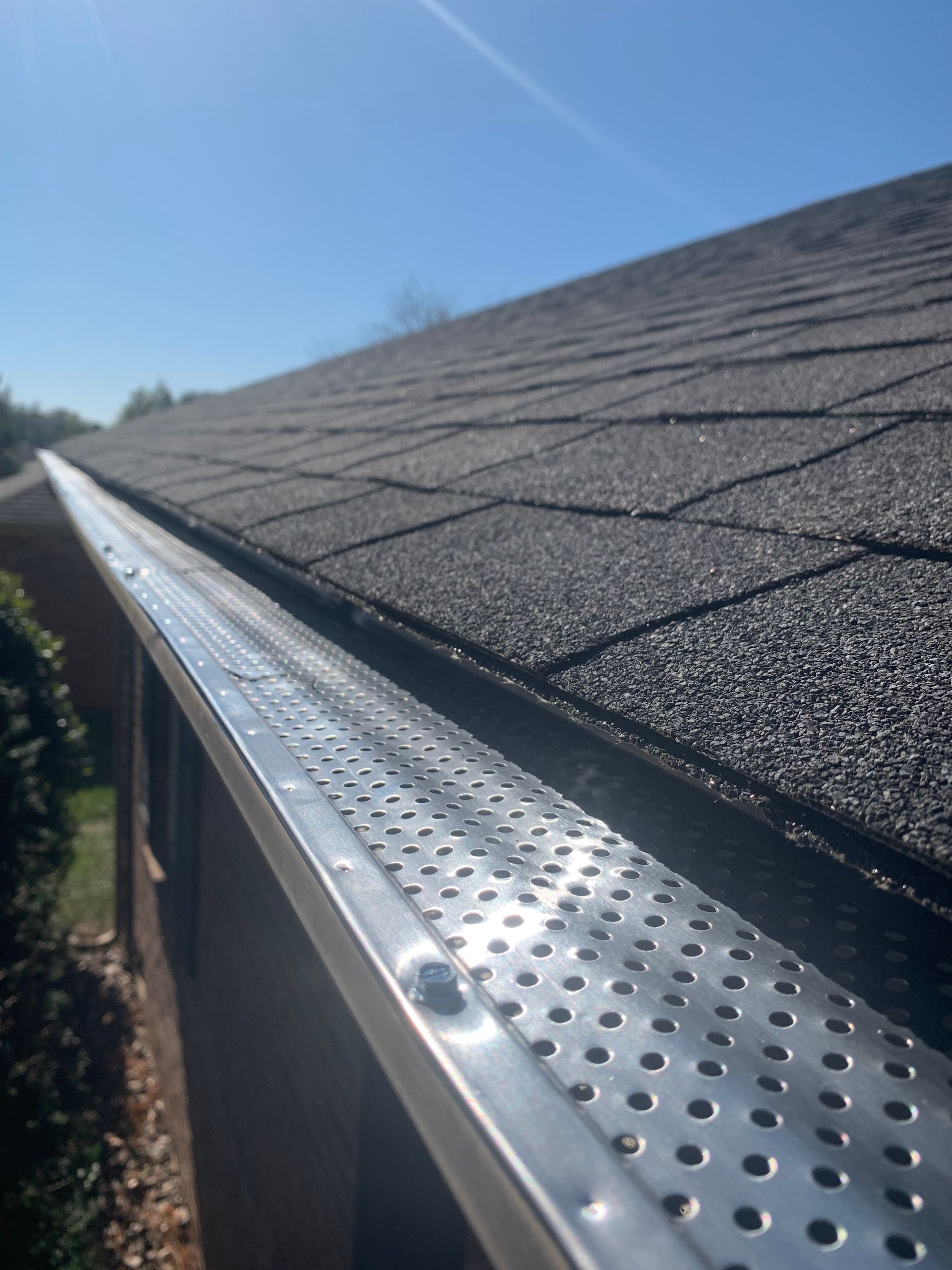
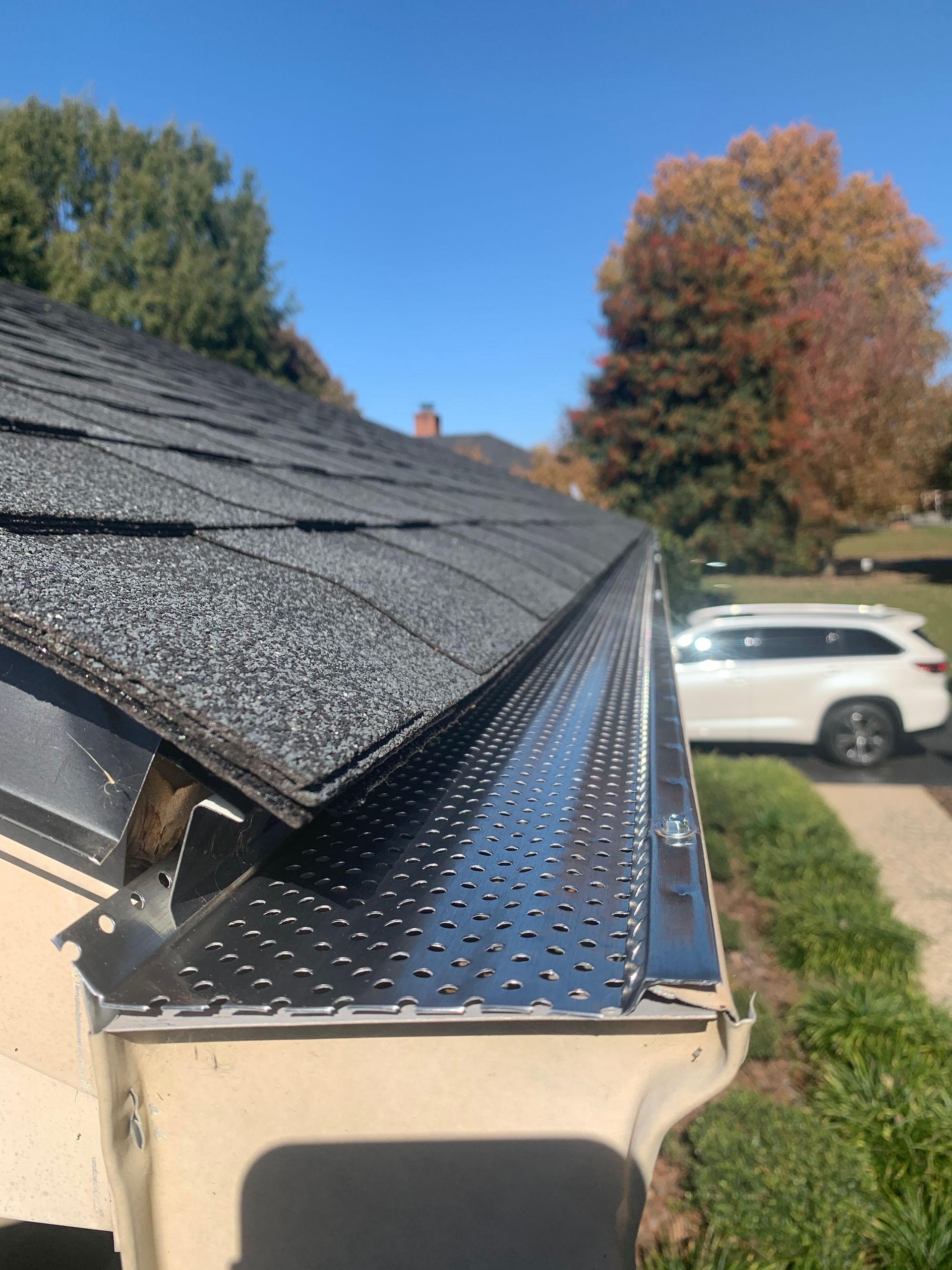
Gutter guards are covers or inserts that sit over or inside your gutters to keep leaves, twigs, and debris out while letting water flow through. Their whole job is to keep the channel clear so water actually reaches the downspouts instead of backing up.
When they work, the payoff is not just skipping a chore. It is protecting everything a clogged gutter puts at risk.
The Real Benefits
Here is what a good guard system genuinely delivers:
- Far fewer cleanings: Most homeowners go from clearing gutters a few times a year to roughly once, or less
- Overflow protection: Clear gutters keep water moving to the downspouts instead of spilling over and saturating your foundation, basement, or fascia
- Less ice dam risk: Gutters that drain freely are less likely to pack with ice in winter, which we cover more in our guide on preparing your roof for winter
- Pest and nesting deterrence: A covered gutter is a far less inviting home for insects, birds, and rodents
- Longer gutter life: Less standing debris and trapped water means less corrosion and sagging over time
The Real Limit
No guard is truly maintenance-free, and any installer who tells you otherwise is selling. Fine debris like pine needles, shingle grit, and pollen can still slip through or settle on top, so you will still want an occasional check, especially after fall and big storms. The right expectation is dramatically less maintenance, not zero.
The Types, Compared
"Gutter guard" covers several very different products, and the type matters more than the brand. Each handles debris, water volume, and cost differently, which is why matching the type to your home is the whole game.
The table below sums up the common options you will actually be choosing between.
| Guard Type | How It Works | Rough Cost & Fit |
|---|---|---|
| Micro-mesh | Fine stainless mesh blocks even small debris | $7 to $20+ per ft installed; best all-around for heavy tree cover |
| Screen | Perforated screen keeps out leaves | Budget-friendly; small debris and pine needles get through |
| Reverse-curve | Water curls over the edge, debris falls off | Mid to high; can overshoot in heavy downpours |
| Foam / brush insert | Sits inside the gutter, blocks debris | Cheap, DIY; collects fine debris, shorter lifespan |
Why Micro-Mesh Usually Wins Here
For most Hudson Valley homes, micro-mesh is the type worth paying for. Our tree mix drops everything from broad maple leaves to fine pine needles, and pine needles are exactly what defeats cheaper screens and slip through larger openings. Micro-mesh blocks the fine stuff while still moving water, which is why it tends to be the right long-term call even though it costs more up front. Cheaper screens and foam inserts can work on lightly treed lots, but they often disappoint where debris is heavy.
Why They Make Sense in the Hudson Valley
Our region makes a stronger case for gutter guards than a milder, less wooded one would. Two local realities do most of the work in that argument.
Understanding them helps you weigh the cost against what a clogged gutter actually risks here.
Ice Dams and Winter
This is the big one. When gutters clog with debris and then freeze, they become the anchor point for ice dams, ridges of ice that force meltwater back up under your shingles and into the house. In a Hudson Valley winter, that is a genuine roofing problem, not just a gutter one. Guards that keep gutters draining reduce the debris-plus-ice combination that starts dams. If you have dealt with ice dams before, it is worth reading how they connect to your whole roof in our roof repair resources.
Heavy Tree Cover
Much of Dutchess and Westchester is beautifully wooded, which is great for shade and miserable for gutters. Oaks, maples, and pines drop leaves, seed pods, and needles across a long season, and homes tucked under mature trees can clog fast. The more trees over your roofline, the more a quality guard earns its cost by cutting the cleaning cycle down.
The Downsides and Where They Go Wrong
Gutter guards are not a universal win, and it is worth knowing how they fail before you buy. Most problems trace back to the wrong product or a poor install, not the concept itself.
These are the pitfalls we see most often:
- Overpriced "lifetime" systems: Some big-name reverse-curve setups run $5,000 or more for an average house, which is rarely money well spent
- Water overshoot: Reverse-curve guards can let water skip over the gutter entirely in a hard downpour
- Debris on top: Guards can collect a mat of debris on their surface that still needs clearing
- Fascia rot from bad installs: A guard installed wrong, or one that lifts shingles, can send water behind the gutter and rot the fascia, which costs far more than any cleaning
- False security: Believing the maintenance-free promise and never checking leads to slow clogs you do not catch
Install Quality Is the Whole Thing
The theme across every one of those failures is installation. A guard is only as good as the gutter system and the crew behind it, and some systems require lifting the roof's first course of shingles, which can void a roofing warranty if done carelessly. This is why we treat guards as part of the roof-and-gutter system, not a bolt-on gadget, and it is where a proper
gutter installation matters as much as the guard itself.
Are They Worth It for Your Home?
There is no universal answer, so the practical way to decide is to match the investment to your situation. Run through where you land on a few points and the call usually becomes clear.
The math often settles it. Professional gutter cleaning runs on the order of $150 or more per visit, so a home that needs two or three cleanings a year is spending real money on the chore before you count the risk of missed clogs. Weigh that recurring cost, plus the price of any past water or ice-dam damage, against a quality guard system, and the guards often pay for themselves within a few years on a heavily treed lot. On a low-debris property that rarely clogs, that math never tips, which is the whole reason it comes down to your specific home.
Both directions are reasonable; it depends on your trees, your roof, and how you value your time.
Guards Are Usually Worth It If
- Your home sits under heavy tree cover and clogs often
- Your roofline is tall, steep, or hard to reach safely
- You have had ice dams or overflow damage before
- You are paying for professional cleaning multiple times a year
You Might Hold Off If
- Your lot has few trees and gutters rarely clog
- You are comfortable doing your own seasonal cleaning
- Your budget is tight and your current gutters work fine
The bottom line: on a wooded Hudson Valley property with a hard-to-reach roof, quality guards installed correctly usually pay for themselves in saved cleanings and avoided water damage. On a low-debris lot, they are a convenience, not a necessity.
Talk to a Local Gutter Pro Before You Buy
The right gutter guard depends on your trees, your roof, and your budget, and the wrong one can cost more than it saves. ADR Precision Builders can assess your home and recommend the guard and gutter setup that actually fits it. We are a locally owned, GAF and Owens Corning certified exterior contractor serving Dutchess and Westchester Counties from our home base in East Fishkill. Call us at (914) 705-2045 or reach out through our
contact page for a free estimate.
Frequently Asked Questions
Are gutter guards actually worth the money?
For many Hudson Valley homes, yes, especially those under heavy tree cover, with tall or hard-to-reach roofs, or a history of ice dams. Quality guards installed correctly cut cleaning frequency and reduce water damage risk. On low-debris lots, they are more of a convenience than a necessity, so it depends on your specific home.
Do gutter guards mean I never have to clean my gutters again?
No. No gutter guard is truly maintenance-free. Fine debris like pine needles, shingle grit, and pollen can still slip through or collect on top, so you will need an occasional check, particularly after fall and major storms. Guards dramatically reduce cleaning, but they do not eliminate it.
What type of gutter guard is best?
For most homes in our area, micro-mesh is the best all-around choice because it blocks even fine debris like pine needles while still moving water. Screens and foam inserts cost less but tend to disappoint where tree debris is heavy. The best type ultimately depends on your home and the debris it faces.
Can gutter guards cause damage?
They can if they are the wrong type or poorly installed. Reverse-curve guards can overshoot water in heavy rain, and a careless install that lifts shingles or lets water run behind the gutter can rot the fascia. This is why proper installation, and treating guards as part of the roof-and-gutter system, matters so much.
How much do gutter guards cost?
It varies widely by type. DIY foam or snap-in options run a few dollars per foot, professional micro-mesh or heavy aluminum systems typically run about $7 to $20 or more per foot installed, and some big-name "lifetime" reverse-curve systems exceed $5,000 for an average home. Get a per-home estimate rather than relying on averages.