How to Prepare Your Roof for Winter in New York
Preparing your roof for a New York winter comes down to a short checklist: inspect the roof and flashing, clean the gutters, check attic insulation and ventilation, trim overhanging branches, and fix small problems before the snow arrives. Doing these before the first freeze is what prevents leaks, ice dams, and expensive emergency repairs once winter sets in. This guide walks through each step and why it matters here in the Hudson Valley.
At ADR Precision Builders, we install, repair, and replace roofs across the Hudson Valley, from Poughkeepsie and Fishkill to Rhinebeck, Beacon, and Kingston. We see every winter what an unprepared roof looks like in March, so the checklist below is built around the specific ways our snow, ice, and freeze-thaw cycles stress a roof.
Start with the checklist, then work through each step before the cold sets in.
In This Guide
- The winter prep checklist: Everything to do, at a glance.
- How to prioritize the checklist: What matters most, and DIY vs pro.
- Inspect the roof surface and flashing: Catch damage before it spreads.
- Clean and check the gutters: Prevent ice dams and backups.
- Check attic insulation and ventilation: The hidden key to a healthy roof.
- Handle the surrounding hazards: Branches, debris, and drainage.
- Fix small problems now: Why timing matters before the freeze.
- Frequently asked questions: Quick answers to common questions.

The Winter Prep Checklist
Before the details, here is the full checklist in one place. Each item is covered in depth below, so use this as your at-a-glance summary and the sections that follow for the how and why.
Your Fall Roof Checklist
- Inspect the roof surface for damaged, loose, or missing shingles.
- Check the flashing around chimneys, vents, and valleys.
- Clean the gutters and downspouts so water can drain freely.
- Inspect attic insulation and ventilation to prevent ice dams.
- Trim overhanging branches that could fall or shed debris.
- Fix minor damage before freezing weather makes it worse.
Working through this list in the fall, ideally before the first hard freeze, is the single best thing you can do to protect your roof through a New York winter.
Prioritizing the Checklist
Not every task carries the same weight or requires the same skill. This table shows what matters most and whether it is a reasonable DIY job.
| Task | Why It Matters | DIY or Pro |
|---|---|---|
| Shingle and flashing inspection | Stops leaks at the source | Ground-level DIY, roof access pro |
| Gutter cleaning | Prevents ice dams and backups | DIY if safe, otherwise pro |
| Attic insulation and ventilation | Root cause of most ice dams | Pro assessment recommended |
| Branch trimming | Reduces storm and debris damage | DIY or arborist |
| Repairing minor damage | Cheap now, costly if it freezes | Pro for anything on the roof |
If you only do two things, clean the gutters and have the attic checked. Those address the two most common and most damaging winter roof problems in our climate, and together they prevent the majority of ice dam issues homeowners face.
Inspect the Roof Surface and Flashing
The first step is knowing the condition your roof is starting the winter in. A roof that heads into December with existing damage rarely comes out of March unscathed.
Late summer and early fall are the ideal time for this look, while the weather is still mild enough to work safely and to complete any repairs before temperatures drop. A calm, dry day gives you the clearest view of the roof's true condition.
Check the Shingles
Look for shingles that are cracked, curled, loose, or missing entirely. These are the weak points where wind-driven snow and meltwater find their way underneath the roof surface.
Even a few compromised shingles can let water into the roof deck once ice and snow sit on the surface for days. Spotting them in the fall lets you replace them while the weather still allows.
Also look for granule loss, the sandy grit collecting in your gutters is a sign asphalt shingles are aging and thinning. Bare or shiny patches on the shingles point to the same wear, and those areas are the first to fail under a winter's worth of snow load.
Inspect the Flashing and Seals
Flashing is the metal that seals the joints around chimneys, vents, skylights, and valleys, and it is where leaks most often start. Check that it is intact, secure, and not lifting, cracked, or rusted.
Failed flashing and dried-out sealant are common culprits behind winter leaks. If you are not comfortable on the roof, a professional inspection is the safer route, especially on steeper Hudson Valley homes.
Chimneys deserve extra attention, since the flashing there takes the most abuse and is a frequent leak point. If your roof is older or you have noticed any staining on interior ceilings, it is worth understanding
what a full roof replacement includes so you can weigh repair against replacement before winter.
Clean and Check the Gutters
Gutters do more for your roof in winter than most homeowners realize. When they fail, the damage often shows up on the roof and inside the house rather than in the gutters themselves.
Clear Out Debris
Fall leaves, twigs, and buildup clog gutters and stop water from draining. When that water has nowhere to go, it backs up under the roof edge and freezes into place.
Clean the gutters and downspouts completely after the leaves have dropped. This is one of the most important and most overlooked winter prep steps.
Timing matters here. Cleaning too early, before the last leaves fall, means doing it twice, so late fall is usually the sweet spot in the Hudson Valley. Just be sure to finish before the first hard freeze, when frozen debris and ice make the job unsafe and ineffective.
Confirm Proper Drainage
Once clean, check that water actually flows through the system and out the downspouts, away from the foundation. Sagging sections or loose fasteners keep water from draining and add weight once ice forms.
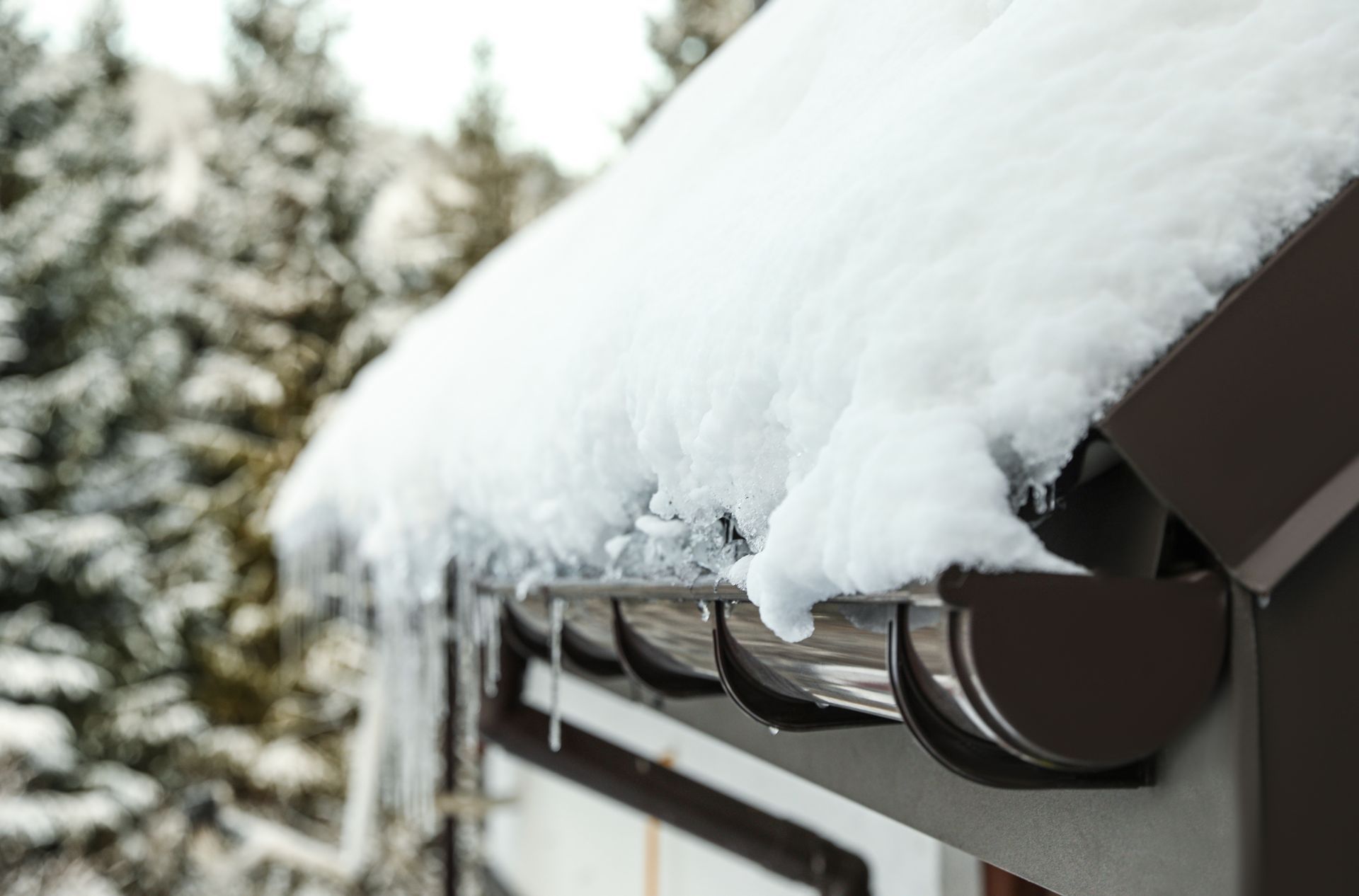
Well-functioning gutters are your first line of defense against ice dams, the ridges of ice that form at the roof edge and force meltwater back under the shingles.
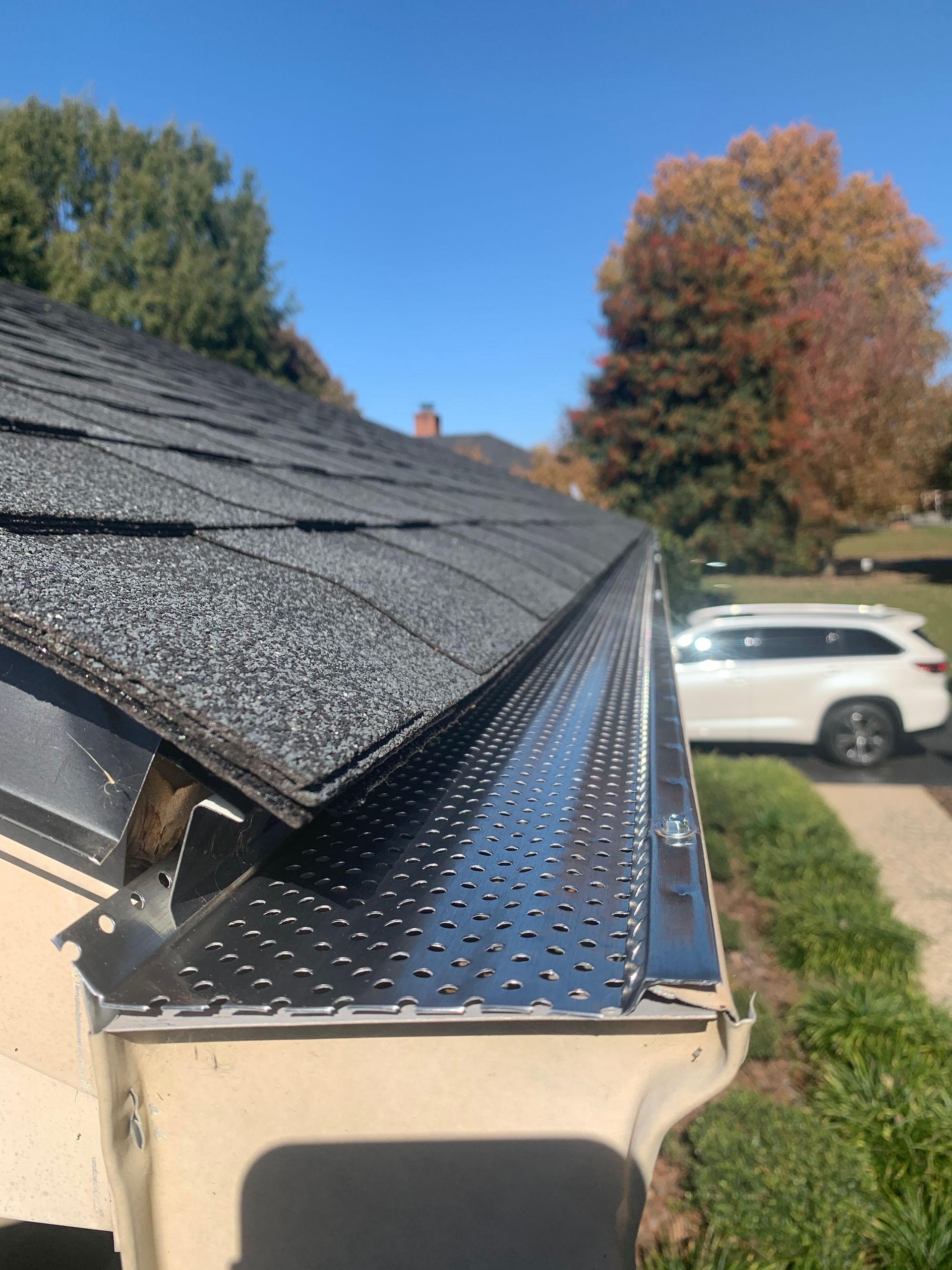
If your gutters clog every fall despite regular cleaning, gutter guards can be worth considering before winter. It is also the right season to repair sagging runs or reattach loose downspouts, since these jobs are far harder once everything is coated in ice.
Check Attic Insulation and Ventilation
The most overlooked part of winter roof prep is not on the roof at all. It is in the attic, and it is the key to preventing ice dams, the single most damaging winter roof problem in our region.
Why Insulation Matters
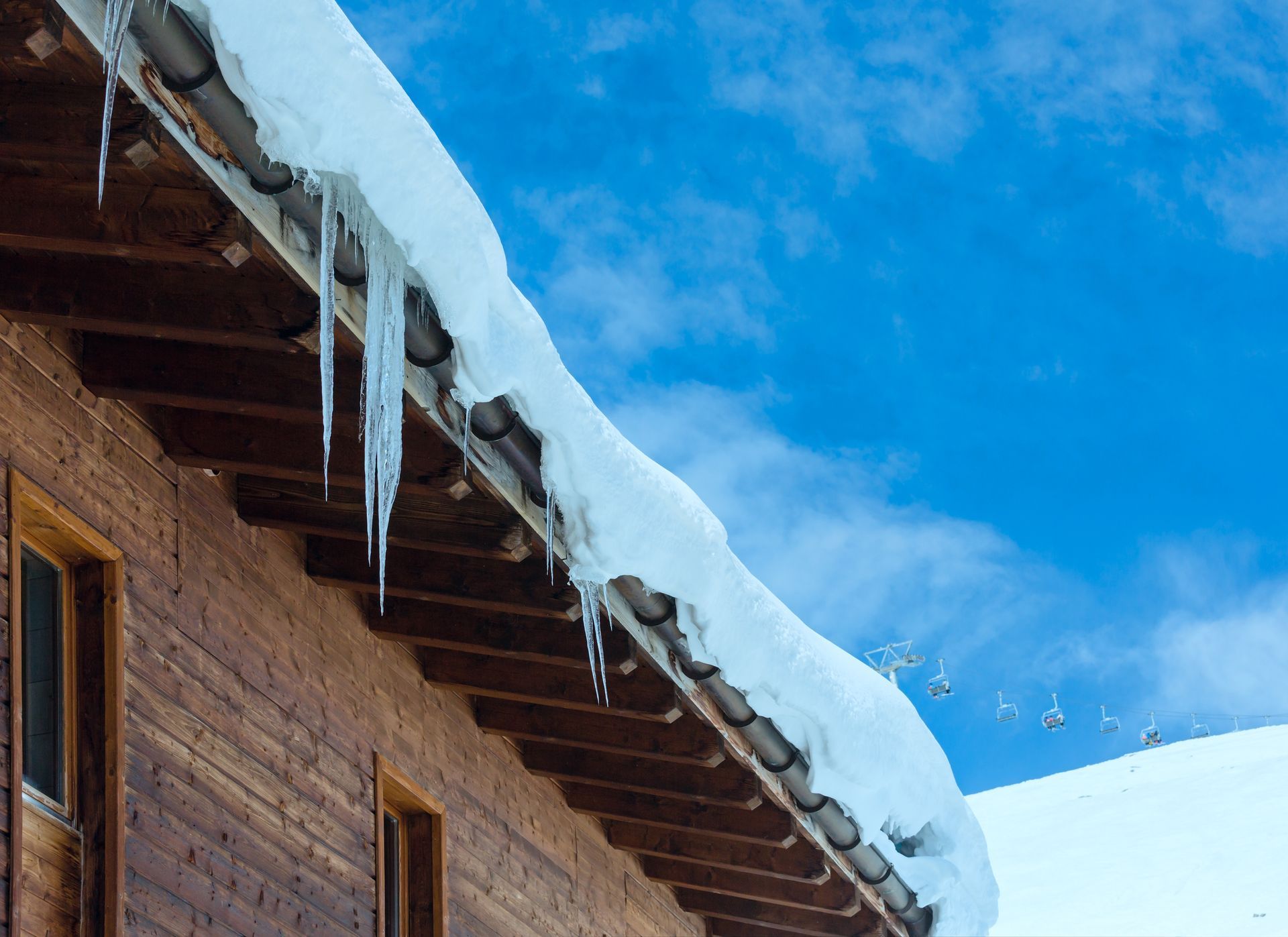
Ice dams form when heat escaping into the attic melts snow on the upper roof, which then refreezes at the cold eaves. Good attic insulation keeps that heat inside the house where it belongs.
A well-insulated attic keeps the roof deck uniformly cold, so snow melts evenly and drains rather than refreezing at the edge. It also lowers your heating bills through the winter.
New York's building codes call for substantial attic insulation for good reason, and many older Hudson Valley homes fall short of current levels. Topping up insulation is one of the highest-return improvements you can make before winter, paying off in both a healthier roof and a warmer, cheaper-to-heat home.
Why Ventilation Matters
Proper ventilation works with insulation to keep the roof deck cold and dry. It lets moist air escape and prevents the warm spots that trigger ice dams and condensation.
A balanced system pairs intake vents at the soffits with exhaust vents at the ridge, so cold air flows continuously under the roof deck. Blocked soffit vents, often buried by insulation pushed too far toward the eaves, are a common and easily fixed cause of uneven roof temperatures.
Together, balanced insulation and ventilation are the real fix for chronic ice dams. If you deal with them every year, the attic is usually where the problem starts.
A quick attic check in the fall can reveal a lot: look for daylight coming through, damp or compressed insulation, and any signs of frost or moisture on the underside of the roof deck. These point to air leaks and ventilation gaps that are worth sealing before the cold arrives.
Handle the Surrounding Hazards
Your roof does not exist in isolation. What is around it matters just as much as the roof itself once winter storms arrive, since most storm damage comes from something hitting or accumulating on the roof rather than the roof simply wearing out.
Trim Overhanging Branches
Branches that hang over the roof are a double threat in winter. Heavy snow and ice can snap them down onto the roof, and even intact limbs drop debris and trap moisture against the shingles.
Trimming back branches before winter reduces the risk of impact damage during storms. It also cuts down on the leaves and debris that clog gutters in the first place.
Ice storms are a real hazard in our region, and a branch loaded with ice can come down with surprising force. Keeping limbs well clear of the roofline protects both the shingles and anyone below, and it removes the squirrels and animals that use overhanging branches to reach the roof.
Clear Roof and Valley Debris
Leaves and debris that collect in roof valleys and around features hold moisture against the surface. Once that freezes, it works at the shingles and seams all winter.
Clearing this debris in the fall gives water a clean path off the roof. Pay special attention to valleys, where two roof planes meet and water naturally concentrates.
The same goes for the areas around chimneys, skylights, and vent pipes, where debris tends to pile against the flashing. Anywhere water is forced to change direction or slow down is a spot where trapped, freezing moisture can work its way past the seal over a long
winter.
Fix Small Problems Now
The theme of winter prep is simple: small issues become big ones once they freeze. Timing is everything, and the window to act closes fast once the cold weather settles in.
Why Timing Matters
A loose shingle or a bit of cracked sealant is a quick fix in October. Left until January, the same spot can channel meltwater into the roof deck, insulation, and ceilings below.
Freezing temperatures also make many repairs harder or impossible to do correctly, since sealants and shingles need warmth to bond. Fixing problems in the fall means they are done right before the cold locks them in.
There is a scheduling reality, too. Roofers get busy the moment the first storm causes leaks, so booking a fall repair means shorter waits and calmer conditions than trying to get emergency help in the middle of January.
When to Call a Professional
Some checks are safe from the ground, but walking a roof is risky, especially on the steep pitches common in the Hudson Valley. If you suspect damage or are due for an inspection, a professional assessment is worth it.
A roofer can spot early wear you might miss and tell you whether a repair will carry you through winter or whether it is time to consider replacement, which we break down in our guide on roof repair or replacement.
A professional inspection also gives you documentation of your roof's condition, which is useful if a winter storm later causes damage and you need to file an insurance claim. Knowing where your roof stands going into the season removes a lot of the guesswork and worry when the first big storm hits.
Get Your Roof Winter-Ready
A little preparation in the fall saves a great deal of stress and expense once the snow and ice arrive. Inspecting the roof, clearing the gutters, checking the attic, and fixing small problems early is what keeps a New York winter from turning into a leak or an ice dam.
At ADR Precision Builders, we help Hudson Valley homeowners get their roofs winter-ready and handle repairs and replacements when they are needed. When you are ready,
request a roof estimate or
reach out to our team for an inspection. We will tell you exactly what your roof needs before winter, and see our full
roofing services for more.
Frequently Asked Questions
When should I prepare my roof for winter in New York?
Aim to complete your roof prep in the fall, ideally before the first hard freeze, which in the Hudson Valley usually means finishing by late October or early November. Repairs are easier and more effective while temperatures are still mild.
How do I prevent ice dams on my roof?
Ice dams are prevented mostly from inside, through good attic insulation and ventilation that keep the roof deck uniformly cold. Clean gutters that drain freely also help, since backed-up water at the eaves is where ice dams take hold.
Do I really need to clean my gutters before winter?
Yes. Clogged gutters trap water at the roof edge, where it backs up under the shingles and freezes, contributing to ice dams and leaks. Cleaning them after the leaves drop is one of the most important winter prep steps.
Can I inspect my roof myself?
You can do a lot from the ground with binoculars, looking for missing or damaged shingles and sagging gutters. Walking the roof is risky, though, especially on steep Hudson Valley homes, so a professional inspection is the safer choice for a closer look.
What happens if I skip winter roof prep?
An unprepared roof is far more likely to develop leaks, ice dams, and storm damage over the winter. Small problems that could have been fixed cheaply in the fall often turn into interior water damage and emergency repairs by spring.